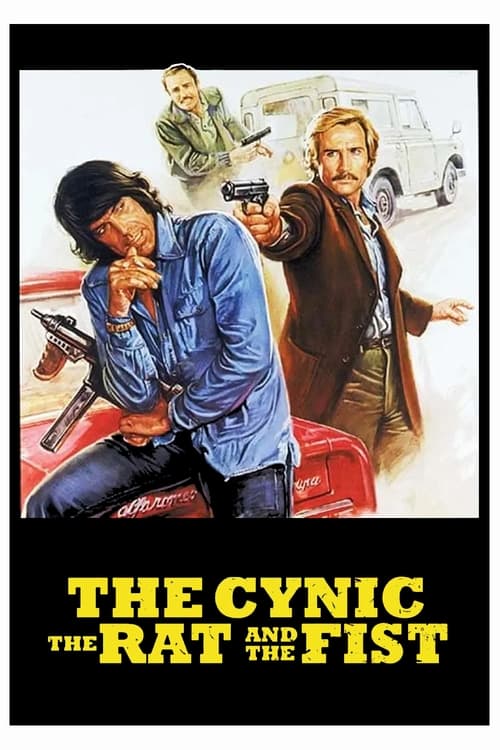
The Cynic, the Rat & the Fist
1977
No user ratings available yet
Representation score: 2.1 out of 10

Representation Score
Limited
1974
Director
Sadao Nakajima
Runtime
97 minutes
Average Rating
No ratings yetNew Showbiz Analysis
The Rapacious Jailbreaker operates as a conventional 1970s crime thriller, prioritizing genre clichés over multi-layered storytelling. The narrative centers on masculine control and the mechanics of a prison break, leaving little room for diverse social perspectives. Representation is limited by the film's adherence to the era's stylistic conventions. The focus remains on individual survival and the conflict between a criminal protagonist and state authority, rather than deconstructing social hierarchies.
Category Breakdown
The film focuses on a traditional masculine struggle for freedom. There is no evidence of LGBTQ narratives or non-cisgender identities within the story.
Men play a central role in the film, particularly the protagonist and his accomplice. This structure likely sidelines female characters to peripheral or domestic roles.
The production features a culturally homogeneous Japanese cast. This reflects the domestic social context and geographic reality of 1970s Japanese filmmaking.
The narrative explores themes of criminality and institutional confinement. It functions as a standard crime thriller rather than a systemic critique of social institutions.
There is no information available regarding the portrayal of physical or neurodivergent disabilities in this film.
Present on Screen
Limited or Absent
Official Synopsis
Convicted of murder, Masayuki Ueda is sent to Hiroshima Prison along with his accomplice. But for a man like him, breaking out of prison is easy.
1977
1974
1979
1972
1976

1964
1977
1987
No reviews yet. Be the first to share your thoughts on this movie!
Use the rating form above to leave a star rating and optional review.