
Female Convict 101: Suck
1977
No user ratings available yet
Representation score: 7.2 out of 10
Representation Score
Limited
2007
Director
Toshikazu Katsu
Runtime
75 minutes
Average Rating
No ratings yetNew Showbiz Analysis
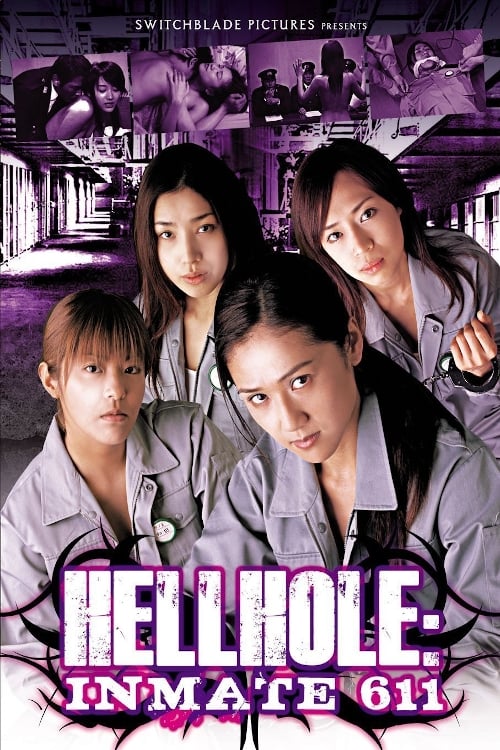
Hellhole: Inmate 611 is a genre-driven drama that prioritizes survival and institutional conflict. While it provides a platform for female-led narratives, it operates within the established clichés of exploitation cinema. The film lacks complexity in reflecting multiple aspects of identity. It focuses on individual endurance against corrupt authority figures rather than offering a nuanced or progressive social critique. Ultimately, the narrative structure adheres to traditional genre conventions rather than disrupting them through diverse or intentional representation.
Category Breakdown
The film focuses on a female protagonist's survival in a high-stress prison. There is no explicit evidence of non-straight or non-cisgender identities or narratives designed to critique the assumption that everyone is straight or cisgender.
The story centers on women's ability to drive the story against systemic brutality. However, it often leans into clichés of suffering victims, which can reinforce traditional power hierarchies.
The setting is localized to Japan with a primarily Japanese cast. The mention of an 'international chain gang' appears to be a stylistic descriptor rather than a reflection of multi-ethnic casting.
The narrative critiques institutional corruption by portraying guards as predatory. It focuses on personal resilience within a lawless environment rather than broader socio-political or religious critiques.
There are no visible or invisible disabilities mentioned as central to the character arcs or the plot progression.
Present on Screen
Limited or Absent
Official Synopsis
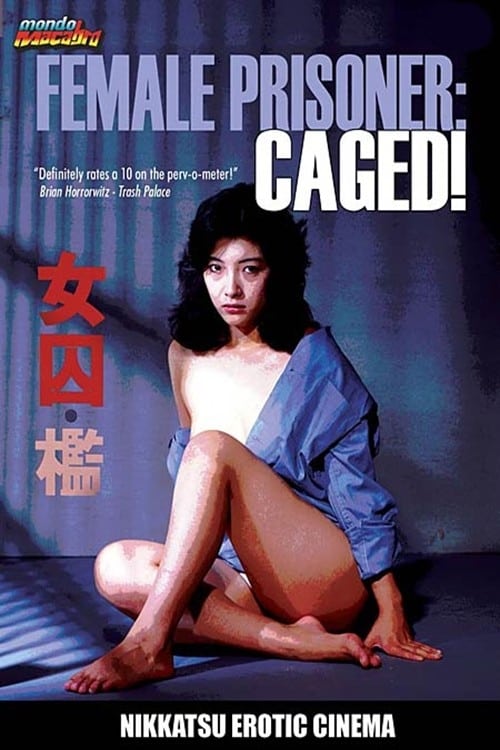
It's called the House of Evils, where beasts in human flesh prowl the corridors and the most dangerous residents aren't the luscious inmates, but the predatory guards. For the crime of assaulting her lover, Saya Mizushima has been sentenced to three years in the most brutal prison facility in Japan. It wasn't supposed to be a life sentence, but unless the woman now known as Inmate 611 can learn how to hold her own against both the ruthlessness of her fellow inmates and the brutal harassment of the guards, she's got little chance of walking out with both mind and body intact. Stripped, shackled, but not yet broken, an international chain gang of red hot models and actresses lead by Akira Kiuchi, Harumi Nemoto , Youko Kamon, Yoshimi Asada and Kei Mizutani prepare to march into the flames of the damned in HELLHOLE: INMATE 611!
1977
1972

1976
1987
1959

2003

1998
1983
No reviews yet. Be the first to share your thoughts on this movie!
Use the rating form above to leave a star rating and optional review.