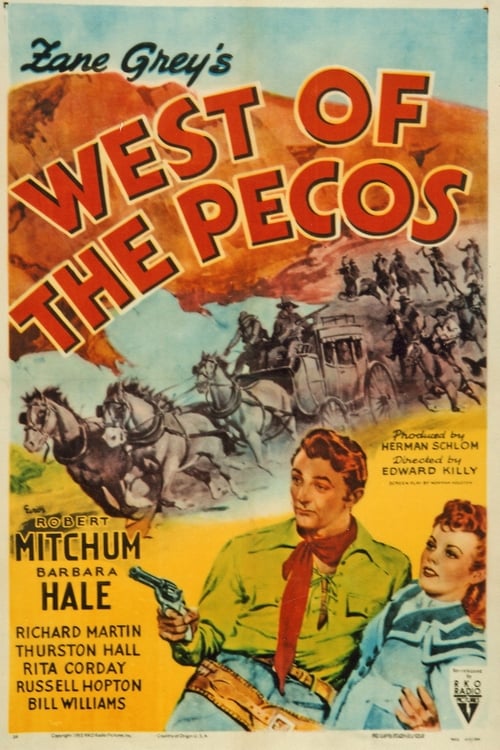
West of the Pecos
1945
No user ratings available yet
Representation score: 1.8 out of 10
Representation Score
Minimal
1955
NRDirector
Lesley Selander
Runtime
83 minutes
Average Rating
No ratings yetNew Showbiz Analysis
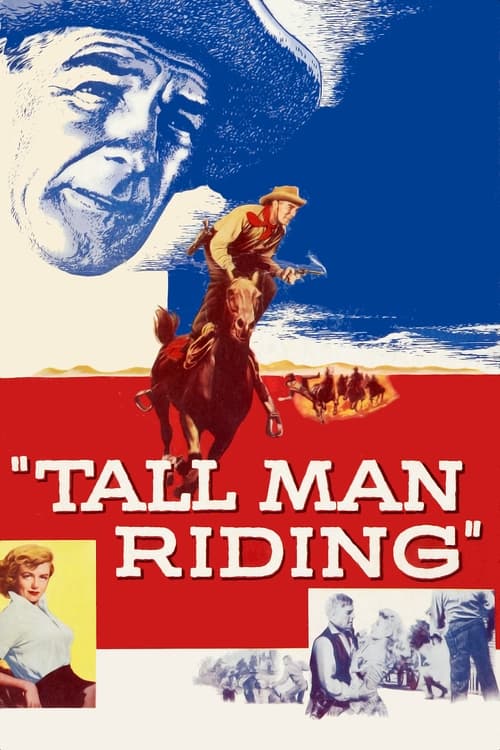
Tall Man Riding is a classic mid-century Western that prioritizes established genre conventions over social complexity. The narrative is built to uphold the social structures of the 1950s, reinforcing traditional hierarchies based on gender and race. The film focuses on a linear pursuit of justice and land rights, driven by conventional masculinity and racial homogeneity. This results in a story that offers little depth in terms of intersecting identities. Ultimately, the production reinforces traditional social structures, presenting a world where power and influence are strictly defined by gender and race.
Category Breakdown
The film operates within a framework that assumes everyone is straight and cisgender. There are no representations of non-traditional gender identities or same-sex relationships.
Gender roles follow traditional patterns, with the male protagonist being the main driver of justice. Female characters like Corinna play supporting roles, often serving as catalysts for the hero's actions.
The cast is primarily made up of white settlers and ranch owners. The narrative lacks meaningful representation of diverse ethnic groups.
The story centers on conventional frontier morality, emphasizing individual retribution and land rights as key factors in social status.
There are no depictions of characters with visible or invisible disabilities. No character arcs are defined by physical impairments or neurodivergence.
Present on Screen
Limited or Absent
Official Synopsis
Still seeking revenge against ranch owner Tuck Ordway for publicly whipping him years earlier and breaking up his relationship with Ordway's daughter, cowboy Larry Madden plans to oust Ordway from his ranch by having his claim to the land declared invalid. Ordway's daughter Corinna, believing Madden to be the cause of the family's recent misfortunes, is unaware that the local saloon owner also has designs upon the Ordway holdings.
1945
1956
1925

1954
1948
1941
1960
1943
No reviews yet. Be the first to share your thoughts on this movie!
Use the rating form above to leave a star rating and optional review.