Devil's Island
1939
No user ratings available yet
Diversity score: 1.8 out of 10
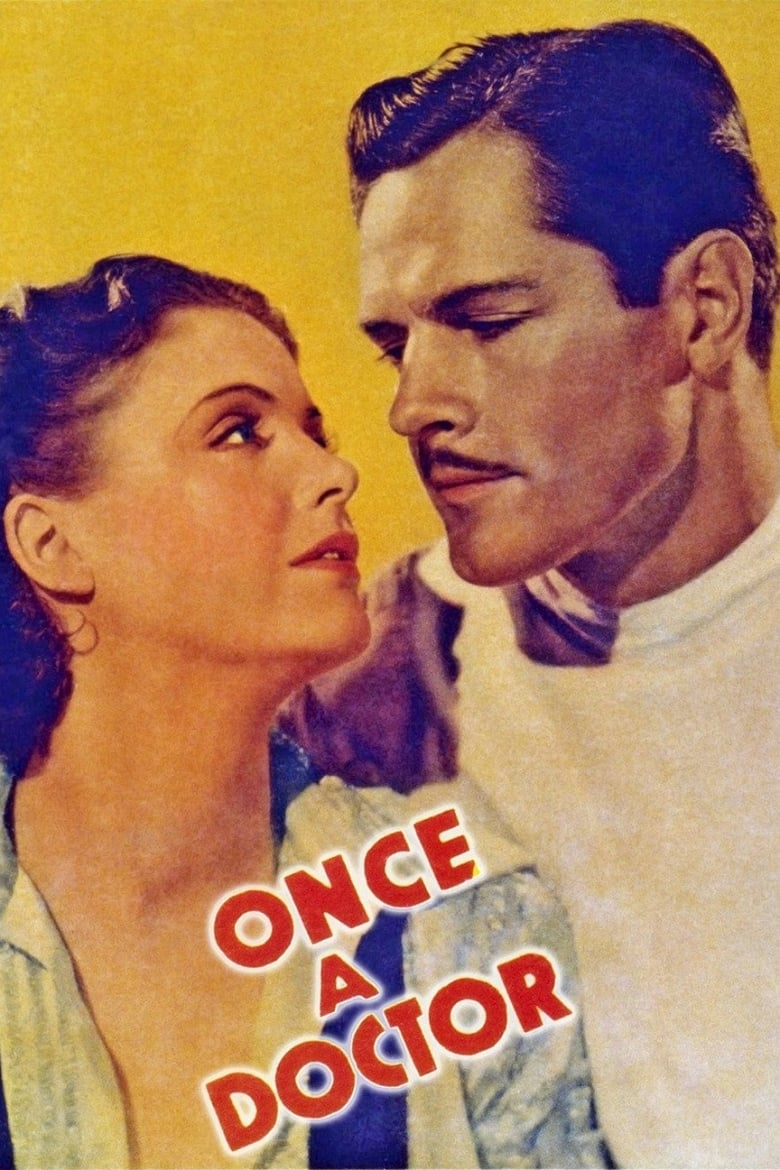
1937
ApprovedDirector
William Clemens
Runtime
57 minutes
Average Rating
No ratings yetSynopsis
Dr. Frank Brace (Joe King) is an important doctor with son Jerry (Gordon Oliver) as well as foster son Steven (Donald Woods). The sons are both interns at Frank's hospital. Steven is the better doctor who takes blame for Jerry's mistakes.Steven has his license revoked when he is blamed for two deaths. Steven goes through years of hell trying to redeem himself.
Overall Score
Limited
Category Breakdown
LGBTQ+ Representation
The film lacks LGBTQ+ characters or narratives that challenge heteronormativity. The story focuses on traditional familial and professional structures.
Gender Representation
The narrative centers on a male-dominated hospital environment and patriarchal lineage. Leadership roles and central power dynamics are occupied by men.
Racial & Ethnic Diversity
The film presents a homogeneous social landscape without visible intersectional complexity. There is no indication of a diverse or non-Anglo-Saxon cast.
Religious & Cultural Diversity
The plot follows conventional moral arcs centered on professional ethics and individual accountability. It reinforces the integrity of Western professional institutions.
Disability Representation
While set in a medical environment, the film provides no evidence of characters with disabilities acting as agents in their own stories.
Strengths
Areas for Improvement
AI Analysis
Once a Doctor is a conventional mid-century drama that adheres strictly to the social hierarchies of 1937. The story revolves around a patriarchal medical lineage, focusing on the professional struggles and moral redemption of a doctor and his sons. The film lacks intentionality in expanding demographic norms. It operates within a traditional framework where power and leadership are almost exclusively male-dominated, and the cast appears culturally homogeneous. Ultimately, the film functions as a standard genre piece of its era, prioritizing traditional morality and professional integrity over social or cultural disruption.
1939
1935
1939
1932
1937
1955

1933

1937
1949
1941
1961
1934
No reviews yet. Be the first to share your thoughts on this movie!
Use the rating form above to leave a star rating and optional review.