
WWII: The Long Road Home
2019
No user ratings available yet
Diversity score: 2.7 out of 10

1950
NRDirector
Jean Negulesco
Runtime
106 minutes
Average Rating
No ratings yetSynopsis
Borneo, 1941, during World War II. When the Japanese occupy the island, American writer Agnes Newton Keith is separated from her husband and imprisoned with her son in a prison camp run by the enigmatic Colonel Suga.
Overall Score
Limited
Category Breakdown
LGBTQ+ Representation
The film contains no discernible LGBTQ+ characters or non-cisnormative identities. Social dynamics remain strictly centered on traditional familial and marital structures.
Gender Representation
Agnes Newton Keith provides a nuanced portrayal of female resilience and maternal agency. However, her strength is framed through domestic endurance and her relationships to her child and husband.
Racial & Ethnic Diversity
The narrative perspective is almost exclusively Western despite the Southeast Asian setting. Local and occupying forces serve as catalysts for the protagonist rather than characters with independent agency.
Religious & Cultural Diversity
The story emphasizes Western moral absolutism and the importance of the nuclear family. It lacks critique of Western hegemony or the deconstruction of traditional social roles.
Disability Representation
There is no significant focus on visible or invisible disabilities as a central narrative element.
Strengths
Areas for Improvement
AI Analysis
Three Came Home is a mid-century dramatic study of survival that prioritizes the individual experience of a Western protagonist. While it offers a compelling look at maternal fortitude during the Japanese occupation of Borneo, the film remains anchored in the traditional paradigms of its era. The narrative structure reinforces Western hierarchies and social norms. The struggle for survival is viewed through a colonial lens, where the local population and occupying forces lack complex cultural depth or independent agency. Ultimately, the film functions as a period-typical drama. It succeeds as a character study of female endurance but lacks the intersectional complexity or disruption of power dynamics necessary for a more progressive representation.
2019
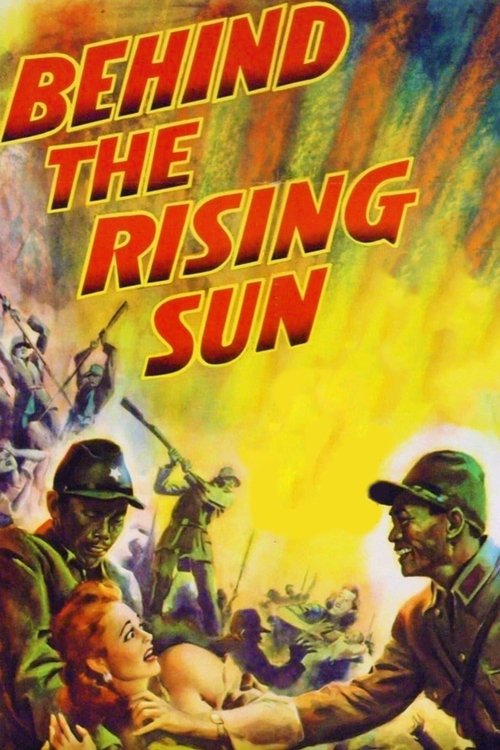
1943

1955
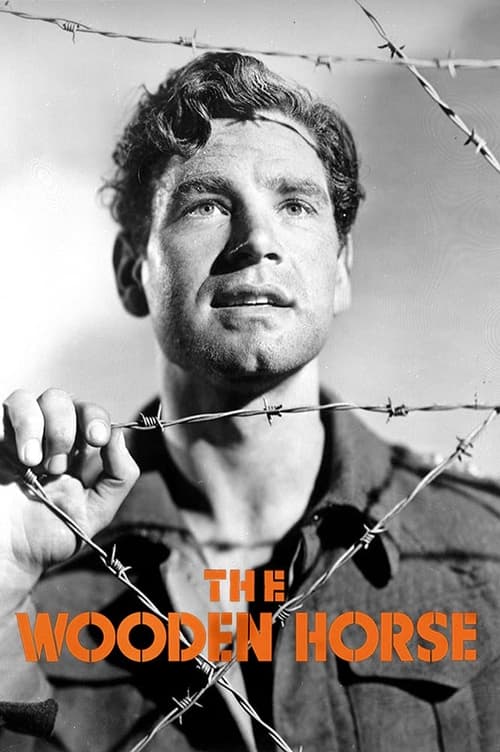
1950
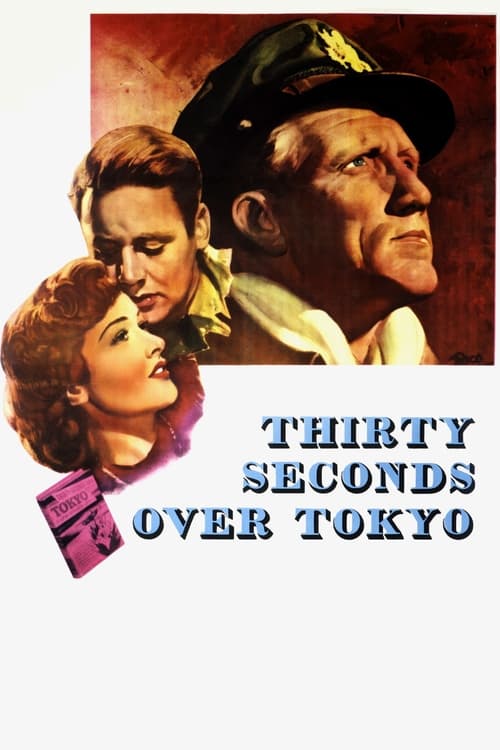
1944
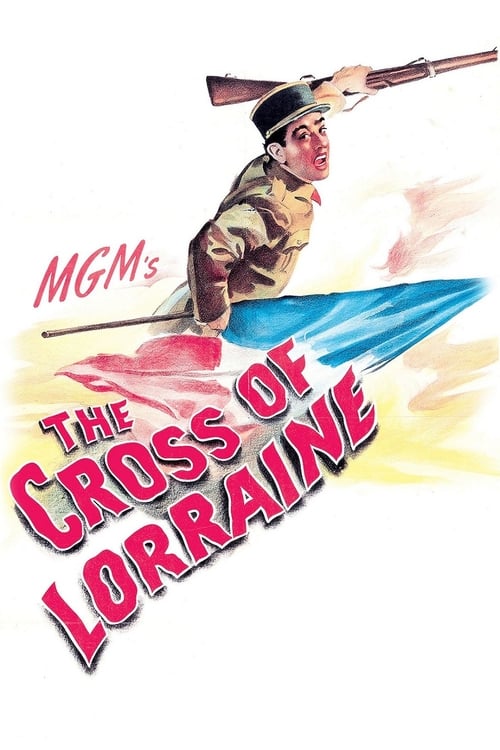
1943
1958
1942

1945

1968
1945
1955
No reviews yet. Be the first to share your thoughts on this movie!
Use the rating form above to leave a star rating and optional review.