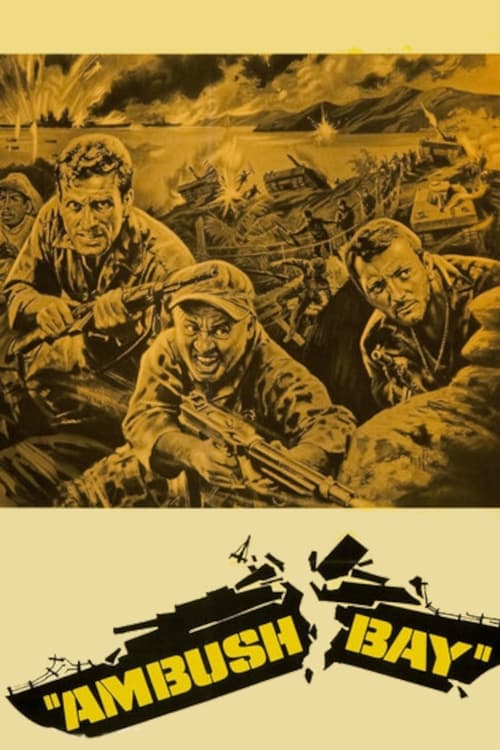
Ambush Bay
1966
No user ratings available yet
Representation score: 1.1 out of 10
Representation Score
Minimal
1945
PG-13Director
Edward Dmytryk
Runtime
95 minutes
Average Rating
No ratings yetNew Showbiz Analysis
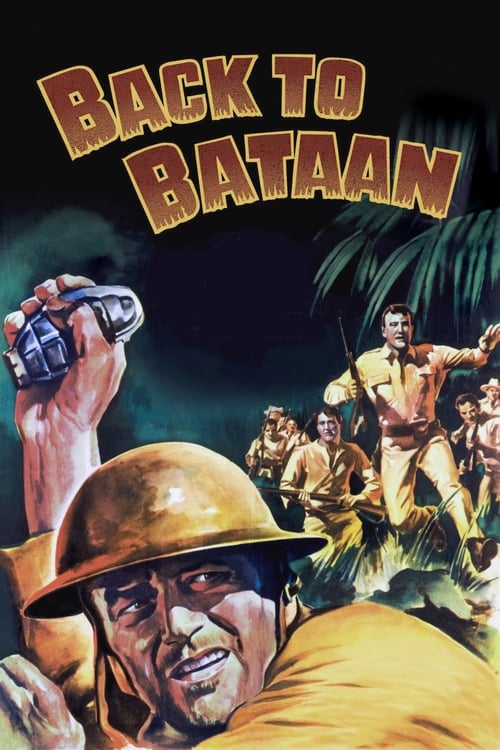
Back to Bataan is a typical wartime drama reflecting the social norms of 1945. The story centers on patriotic sentiments and a male-dominated combat perspective, limiting the narrative scope. While the film includes Filipino soldiers as allies, the power dynamics favor American leadership, preventing true multi-layered equality. The production lacks representation for LGBTQ+ identities and disability, using physical trauma only as a storytelling device. It remains a product of its time, reinforcing traditional hierarchies and Western values.
Category Breakdown
The film follows the social norms of the mid-1940s, showing no signs of non-straight relationships or gender diversity. There are no representations of LGBTQ+ identities or same-sex intimacy.
The story focuses mainly on male characters involved in combat and leadership roles. It emphasizes traditional gender roles where men hold authority, while women have limited influence over their own lives.
Filipino soldiers are shown as important allies to American troops. However, the power balance favors American leadership, which shapes the main storyline.
This wartime film promotes patriotism and national duty, emphasizing Western values and military unity. It does not challenge traditional institutions.
Physical injuries and the impact of combat are used as plot devices to highlight the harshness of war. The film does not delve deeply into disabilities or neurodivergence.
Present on Screen
Limited or Absent
Official Synopsis
A U.S. Army colonel leads local fighters in a guerrilla campaign against the Japanese in the Philippines.
1966
1961

1968
1959

1964
1959
1962
1942
No reviews yet. Be the first to share your thoughts on this movie!
Use the rating form above to leave a star rating and optional review.