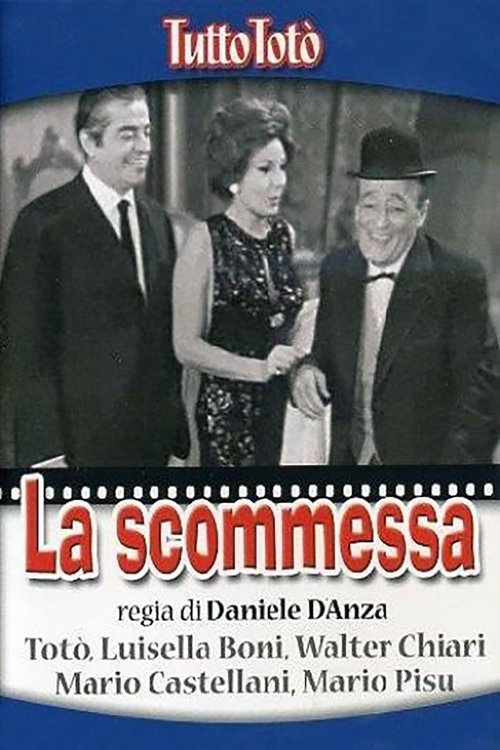
Tutto Totò - La scommessa
1967
No user ratings available yet
Representation score: 2.2 out of 10
Representation Score
Limited
1967
Director
Daniele D'Anza
Average Rating
No ratings yetNew Showbiz Analysis
This 1967 comedy is a product of its time, serving as a historical artifact of the 'Commedia all'italiana' style. It relies heavily on localized cultural archetypes and traditional storytelling clichés common to mid-century Italian cinema. The film prioritizes character-driven humor and social maneuvering within established hierarchies. It does not aim to disrupt conventional social norms or provide characters who reflect more than one aspect of diversity. Ultimately, the work operates within the prevailing cinematic constraints of its era, focusing on the struggles of the common man through a traditional lens.
Category Breakdown
The film follows the straight-centered social structures typical of 1967 Italy. There is no evidence of queer subtext or identity-focused stories.
Humor centers on traditional domestic hierarchies and established gender roles. The film lacks challenges to gendered power dynamics or portrayals of non-traditional masculinity.
The production reflects the ethnically homogeneous casting of the late 1960s Italian film industry. It lacks diverse ethnic perspectives or multi-layered casting.
The narrative aligns with mid-century Italian values and social cohesion. It focuses on individual wit rather than deconstructing Western institutions or progressive frameworks.
Physical comedy is a staple of the genre, but characters lack nuanced roles. Representations of disability appear to be secondary plot devices rather than empowered portrayals.
Present on Screen
Limited or Absent
1967

1980
1967
1981

1967
1967
1967
1968
No reviews yet. Be the first to share your thoughts on this movie!
Use the rating form above to leave a star rating and optional review.