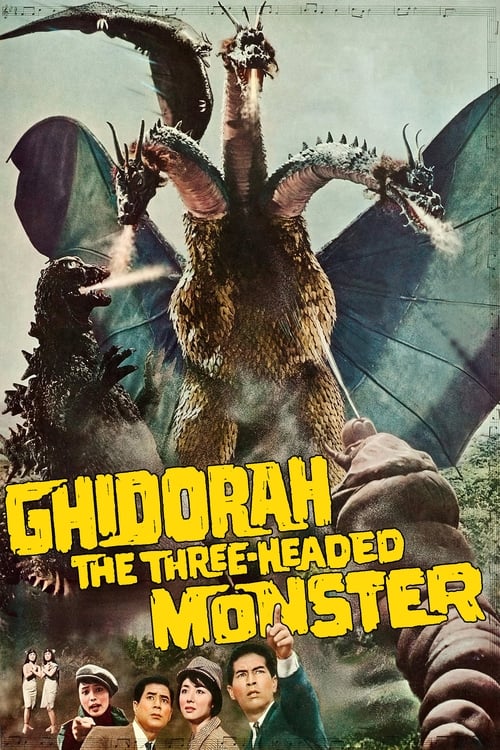
Ghidorah, the Three-Headed Monster
1964
No user ratings available yet
Representation score: 2.0 out of 10

Representation Score
Minimal
1965
GDirector
Ishirō Honda
Runtime
96 minutes
Average Rating
No ratings yetNew Showbiz Analysis
Invasion of Astro-Monster functions as a traditional genre epic that prioritizes spectacle and planetary defense over social critique. The narrative structure reinforces mid-century social hierarchies rather than challenging them. The film relies on established heroic structures, where technical leadership and combat roles are predominantly male pursuits. While it provides a culturally specific Japanese perspective, it lacks depth in representing diverse identities. Ultimately, the work upholds the status quo of its era, focusing on the stability of global institutions and the preservation of order against extraterrestrial threats.
Category Breakdown
The film does not include any LGBTQ+ characters or explore non-straight relationships. The romantic subplot between Glenn and Miss Namikawa follows a traditional, heterosexual path.
Male characters dominate the scientific and military command structure, while female characters like Miss Namikawa are mostly supportive or reactive to the main male characters.
The cast is primarily Japanese, reflecting the film's cultural roots. It avoids the whitewashing common in Western cinema of the time but does not seek multi-ethnic representation.
The narrative emphasizes scientific progress and the protection of established institutions. It presents a binary moral framework between the defenders of Earth and the manipulative Xiliens.
The film does not prominently depict characters with visible or invisible disabilities. Characters are shown as able-bodied individuals without disability being used as a plot device.
Present on Screen
Limited or Absent
Official Synopsis
Astronauts Glenn and Fuji investigate Planet X and encounter mysterious aliens known as the Xiliens, who ask Earth's people to help save their world from "Monster Zero". In exchange for borrowing Godzilla and Rodan, the Xiliens offer a cure for cancer. As Glenn investigates, he develops a romance with Miss Namikawa and uncovers the Xilien's true intentions.
1964
1968

1957

1957
1975

1976
1962
1963
No reviews yet. Be the first to share your thoughts on this movie!
Use the rating form above to leave a star rating and optional review.