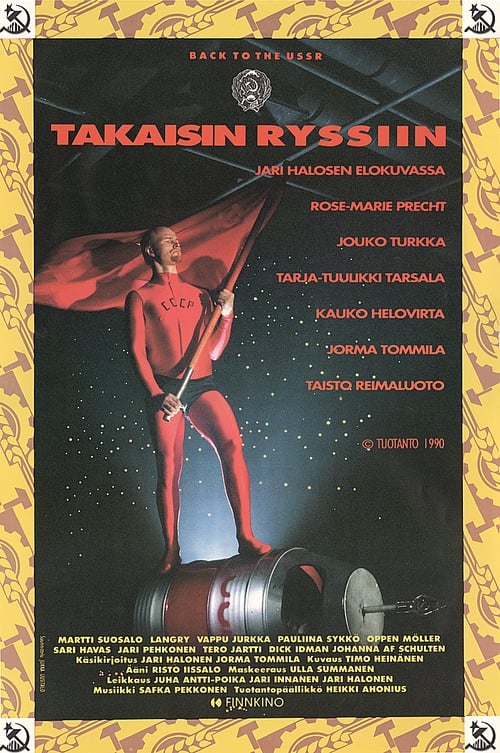
Back to the USSR
1992
No user ratings available yet
Diversity score: 4.2 out of 10
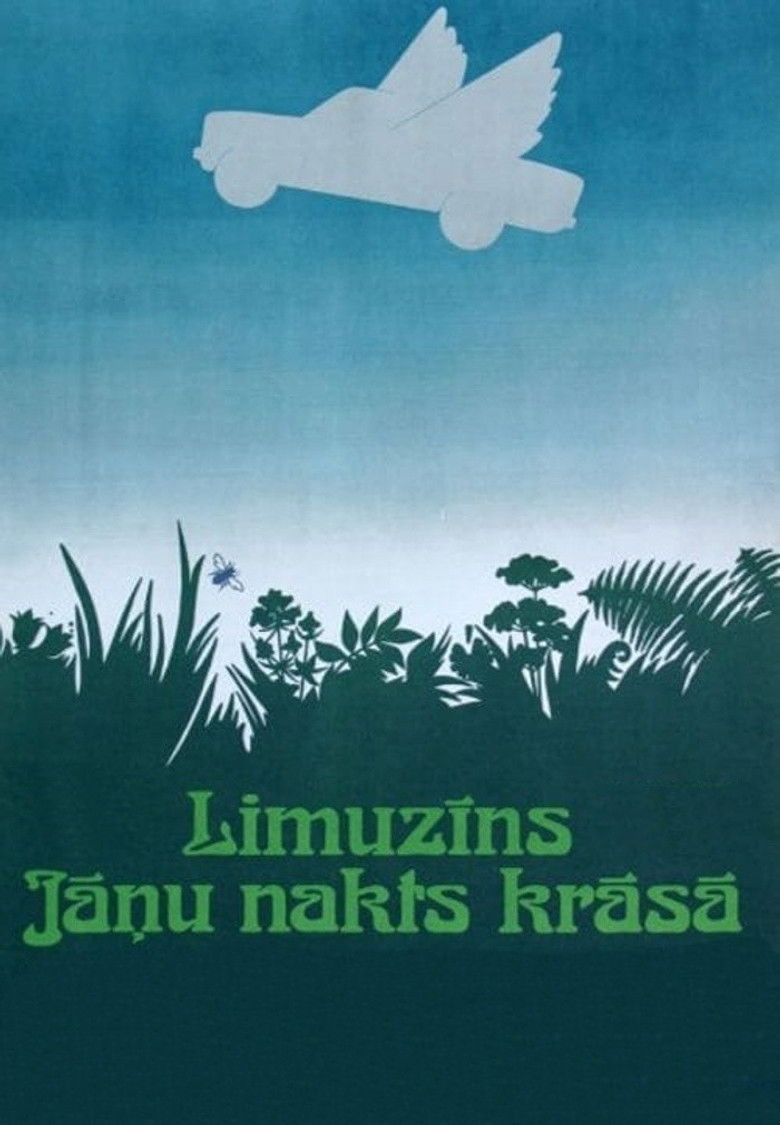
1982
Director
Janis Streics
Runtime
87 minutes
Average Rating
No ratings yetSynopsis
When old auntie Mirta succeeds in a lottery and wins a car which she cannot use herself, all sorts of family members suddenly appear by her side, hoping to get the car after their auntie's death. Until then, they had never helped Mirta, it was only her neighbours who supported her in her old age. Now, her nephew Ēriks with his wife and son, and her ex-daughter-in-law Olita with her second husband and daughter, would all love to get their hands on the car that's in the colour of Midsummer's Eve.
Overall Score
Limited
Category Breakdown
LGBTQ+ Representation
The film lacks any indication of queer identities or non-heteronormative narrative arcs. The story focuses entirely on traditional family units.
Gender Representation
Mirta serves as a central figure of agency and economic power. This subverts common tropes regarding female passivity in old age.
Racial & Ethnic Diversity
The setting appears rooted in a specific Latvian cultural context. The social circle seems homogeneous, offering little evidence of ethnic blending.
Religious & Cultural Diversity
The narrative deconstructs the sanctity of the nuclear family. It critiques individualistic greed by elevating the moral importance of communal neighborly bonds.
Disability Representation
There is no mention of physical, neurodivergent, or mental health representation in the story.
Strengths
Areas for Improvement
AI Analysis
The film functions primarily as a social satire rather than a vehicle for demographic diversity. It uses a material windfall to expose the decay of kinship structures, contrasting predatory relatives against altruistic neighbors. While the film lacks intersectional casting or LGBTQ+ representation, it offers progressive social commentary by challenging the inherent morality of the nuclear family. The focus remains on localized, likely homogeneous community dynamics. Ultimately, the work prioritizes character-driven social critique over broad representation, resulting in a score that reflects its specific cultural focus and lack of diverse identity arcs.
1992
1990
2000

2018
2001
1975
1980

1986

2003
1972
No reviews yet. Be the first to share your thoughts on this movie!
Use the rating form above to leave a star rating and optional review.