
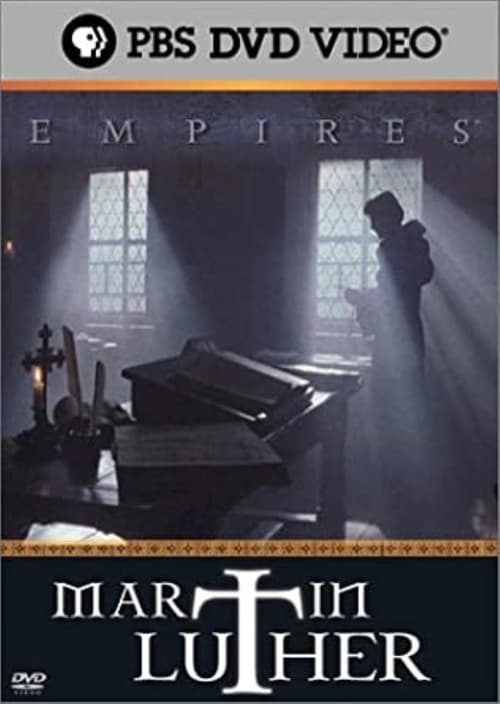
Martin Luther: The Idea that Changed the World
2017
No user ratings available yet
Representation score: 3.4 out of 10
Representation Score
Limited
2003
TV-GDirector
Cassian Harrison
Runtime
115 minutes
Average Rating
No ratings yetNew Showbiz Analysis
Martin Luther (2003) is a historical reconstruction focused on the tension between individual conscience and institutional authority. It succeeds in portraying the subversion of a monolithic power structure, specifically the medieval Church. However, the film is limited by its Eurocentric lens, offering little global or multi-ethnic perspective. Ultimately, the work prioritizes biographical and theological accuracy over contemporary characters who reflect more than one aspect of diversity, resulting in a narrow but focused historical study.
Category Breakdown
The film does not include any LGBTQ+ characters or narratives. It focuses on 16th-century theological struggles that do not include these contemporary identity frameworks.
The narrative centers on a singular male figure driving historical change. It views the era through a masculine-centric lens of intellectual and spiritual fortitude.
The scope is geographically and ethnically localized to Western Christendom. It reflects the era's social constraints by focusing on European institutional power.
The film effectively deconstructs a dominant Western institution. It critiques centralized religious power by contrasting the opulence of the Vatican with rural Germany.
There is no documented evidence regarding the inclusion of characters with physical or neurodivergent disabilities in this production.
Present on Screen
Limited or Absent
Official Synopsis
Learn how one man reluctantly took on the most powerful institution of his day and won. Martin Luther is credited with expounding a new vision of man's relationship with God and, by extension, a redefinition of man's relationship with authority. Filmed across Europe -- from the rustic rural Germany to the opulence of the Vatican City -- you'll witness the collapse of the medieval world and the birth of the modern age.
2017
2003
1953
2019
2009

2004
1985
2002
No reviews yet. Be the first to share your thoughts on this movie!
Use the rating form above to leave a star rating and optional review.