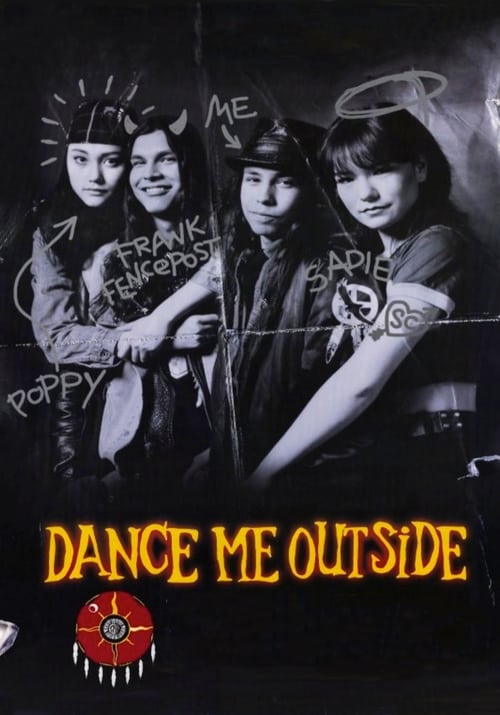
Dance Me Outside
1995
No user ratings available yet
Representation score: 5.0 out of 10

Representation Score
Excellent
2013
RDirector
Jeff Barnaby
Runtime
86 minutes
Average Rating
No ratings yetNew Showbiz Analysis
Jeff Barnaby’s debut is a powerful exercise in reclaiming culture. By focusing on Mi'gmaq perspectives, the film challenges the dominance of Western power structures and the whitewashing of Canadian history. The film excels in its authentic portrayal of Indigenous culture and critiques of colonial institutions. It avoids common clichés like the 'white savior' by weaving a systemic critique into a character-driven drama. While the film delves into psychological trauma and gendered expectations, it primarily focuses on the socio-political context rather than specific physical disabilities.
Category Breakdown
The film incorporates the protagonist's journey with queer identity and same-sex attraction. It examines how sexual orientation overlaps with cultural identity and societal expectations.
The story presents a nuanced look at masculinity and the pressures faced by young men. It avoids simplistic views by emphasizing the vulnerability of male characters.
Featuring an almost entirely Mi'gmaq cast, the film highlights Indigenous sovereignty. It counters dominant Anglo-Saxon narratives without relying on including someone from a minority group without giving them real depth.
The story critiques Western colonial institutions and the residential school system. It dismantles colonial norms and addresses historical trauma.
The film addresses mental health and neuro-psychological issues as forms of invisible disabilities. It focuses on behavior changes resulting from trauma rather than physical or sensory disabilities.
Present on Screen
Limited or Absent
Official Synopsis
In 1976, a Mi'gMaq teenager plots revenge against the sadistic Indian agent who imprisoned her in a residential school where rape and abuse are common.
1995

2014
2011

2017
1994

2017
2007

1979
No reviews yet. Be the first to share your thoughts on this movie!
Use the rating form above to leave a star rating and optional review.