The Boys of St. Vincent: 15 Years Later
1992
No user ratings available yet
Diversity score: 6.6 out of 10
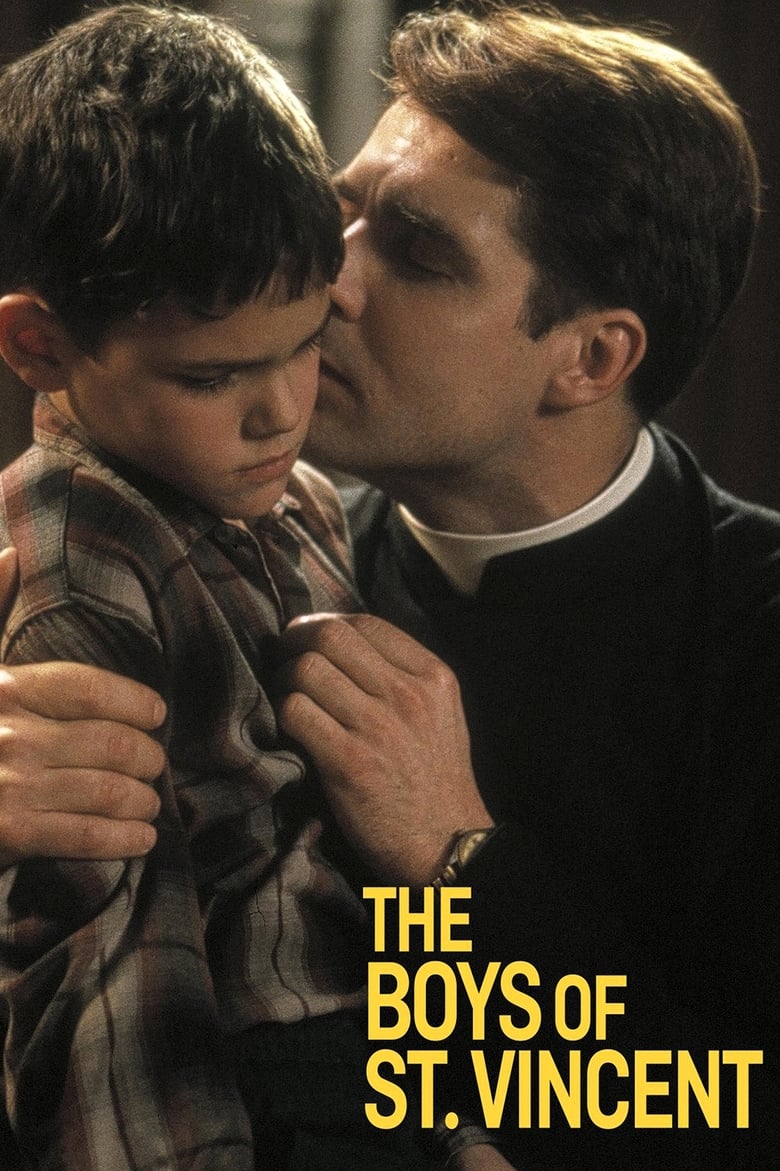
1994
TV-14Director
John N. Smith
Runtime
93 minutes
Average Rating
No ratings yetSynopsis
The true story of boys being sexually abused at their orphanage, run by a religious community in Newfoundland.
Overall Score
Fair
Category Breakdown
LGBTQ+ Representation
The film does not explore queer identity or consensual intimacy. Instead, it frames sexual contact strictly as predatory abuse and pedophilia. This focus on systemic violation avoids any exploration of queer lived experiences.
Gender Representation
The narrative centers on a rigid patriarchal hierarchy where male authority figures exert dominance. It documents the corruption of masculine power through the exploitation of vulnerable children rather than subverting gender roles.
Racial & Ethnic Diversity
Set in Newfoundland, the cast is predominantly white and reflects the demographic homogeneity of the era. The story prioritizes class and institutional identity over racial or ethnic intersectionality.
Religious & Cultural Diversity
The film offers a profound critique of the Catholic Church, portraying it as a corrupt oppressor. It deconstructs religious sanctity by exposing how dogma can veil institutionalized crime and cover-ups.
Disability Representation
The story examines the psychological trauma and mental health struggles resulting from systemic abuse. While characters show agency, they are often defined by their victimization within a broken institutional framework.
Strengths
Areas for Improvement
AI Analysis
The film is a heavy institutional critique that prioritizes the deconstruction of religious power over demographic variety. It functions as a grim documentation of systemic corruption rather than a study of diverse identities. While the film scores low in traditional metrics like race and LGBTQ+ representation due to its specific historical setting, it excels in cultural critique. It aggressively challenges the integrity of established Western religious hierarchies. Ultimately, the narrative focuses on the exploitation of the weak by the strong, using the breakdown of sacred trust to drive its dramatic weight.
1992

2002

1995

2013

1997

1977
2014

2003

2017

2023

2006
1996
No reviews yet. Be the first to share your thoughts on this movie!
Use the rating form above to leave a star rating and optional review.