Rhymes for Young Ghouls
2013
No user ratings available yet
Representation score: 9.8 out of 10
Representation Score
Fair
1995
RDirector
Bruce McDonald
Runtime
84 minutes
Average Rating
No ratings yetNew Showbiz Analysis
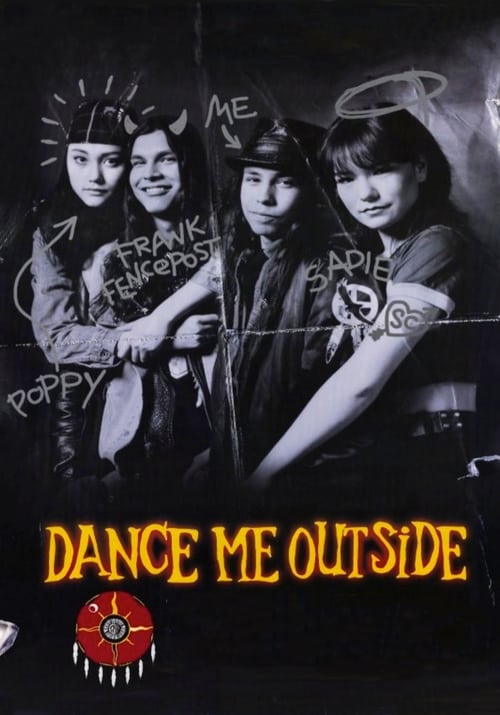
Dance Me Outside is a powerful exploration of systemic injustice, driven by its portrayal of First Nations perspectives. By centering the story on the pursuit of justice for an Indigenous woman, the film successfully disrupts traditional settler-colonial cinematic norms. However, the film's thematic scope is narrow. It prioritizes racial and institutional critiques over other forms of identity, leaving significant gaps in LGBTQ+ and disability representation. Ultimately, the film succeeds as a piece of regional storytelling that uses the friction between underrepresented communities and dominant social structures to create profound thematic depth.
Category Breakdown
The film focuses on First Nations identity and legal conflicts rather than LGBTQ+ narratives. There is no significant evidence of LGBTQ+ characters or critiques of the assumption that everyone is straight or cisgender.
The story depicts messy social dynamics between men and women in a rural setting. It avoids idealized domesticity but does not explicitly center on subverting gender hierarchies.
The narrative centers on First Nations ability to act and the lived experience of Silas Crow. It disrupts settler-colonial storytelling by exploring the tension between reservation life and the outside world.
The film critiques Western institutions by portraying the legal system as a source of communal trauma. It frames the community's response to injustice as a reaction to systemic inequity.
There is no significant evidence regarding the portrayal of physical or neurodivergent disabilities within the narrative.
Present on Screen
Limited or Absent
Official Synopsis
Explores the sensitive, and tense, relationship between life on an First Nations reservation and life in the outside world. When Native Canadian Silas Crow is forced to write a personal essay in order to get a much-desired job, he tells the story of the rape and murder of an Indian girl by a drunken thug. When the killer received a lenient two-year sentence for manslaughter, the First Nations community felt shock and anger—and tried desperately to deal with the after-effects of this lack of justice.
2013
2016
2016
2002
2013
2013
2011
2012
No reviews yet. Be the first to share your thoughts on this movie!
Use the rating form above to leave a star rating and optional review.