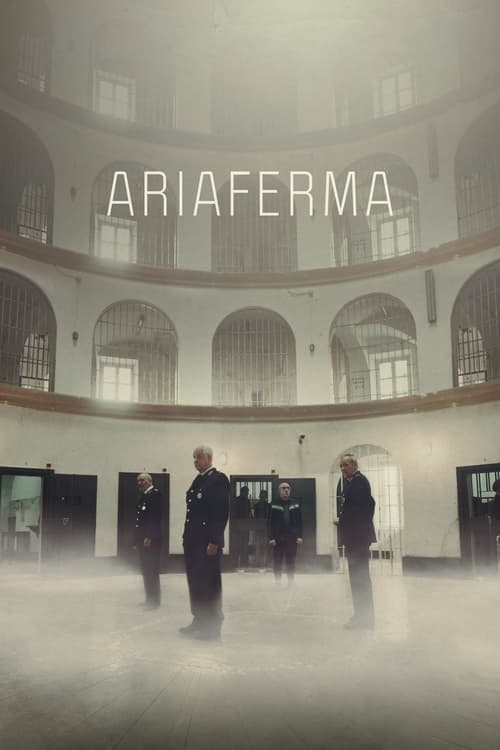
The Inner Cage
2021
No user ratings available yet
Representation score: 5.6 out of 10

Representation Score
Excellent
2012
Director
Leonardo Di Costanzo
Runtime
86 minutes
Average Rating
No ratings yetNew Showbiz Analysis
The film stands out for its critique of traditional power structures and gender roles, presenting Veronica as a rebellious figure who play a significant role in driving the story. However, it lacks specific representation for LGBTQ+ identities and disabilities, focusing instead on the psychological impact of systemic violence and socio-economic exclusion.
Category Breakdown
The film explores the growing relationship between Veronica and Salvatore, focusing on their connection under stress without emphasizing specific LGBTQ+ narratives or non-straight identities.
Veronica challenges traditional gender roles by serving as the primary driver of the story, both intellectually and emotionally. She avoids the submissive victim stereotype, showing a rebellious spirit that defies her surroundings.
The story highlights the exclusion of youth in decaying urban environments, emphasizing socio-economic factors and systemic neglect rather than explicit racial diversity.
The film critiques traditional power structures, particularly the oppressive clan system, by highlighting the characters' subjective morality and personal truths.
The film does not focus on visible or invisible disabilities. Psychological trauma experienced by the characters is viewed as a consequence of their environment rather than a central identity.
Present on Screen
Limited or Absent
Official Synopsis
A boy and a girl are locked in an enormous abandoned building in a rundown area. She is a prisoner and the local clan leader has forced him to be her warder. Despite their youth, both of them have grown up too fast. Veronica acts like a mature and open-minded woman whilst Salvatore is like a man who wants to hold on to his job and lead a quiet life. Thus, when faced with the violence of this incarceration, the two young people have different reactions: Veronica is restless and rebellious; Salvatore is more remissive and accommodating, either out of fear or realism. They are both victims but it is almost as though each blames the other for their reclusion. However, as the hours go by, their mutual hostility is transformed into an inevitable intimacy, consisting of reciprocal discoveries and confessions. Between the walls of that isolated and frightening place, Veronica and Salvatore fi nd a way to rekindle those adolescent dreams and ideas put aside too soon.
2021
2014
2005

1979
2018
2013

2013

2011
No reviews yet. Be the first to share your thoughts on this movie!
Use the rating form above to leave a star rating and optional review.