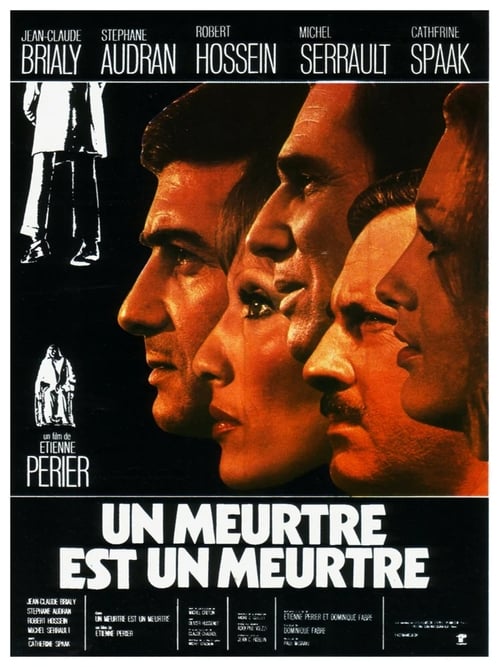
A Murder Is a Murder
1972
No user ratings available yet
Diversity score: 3.8 out of 10
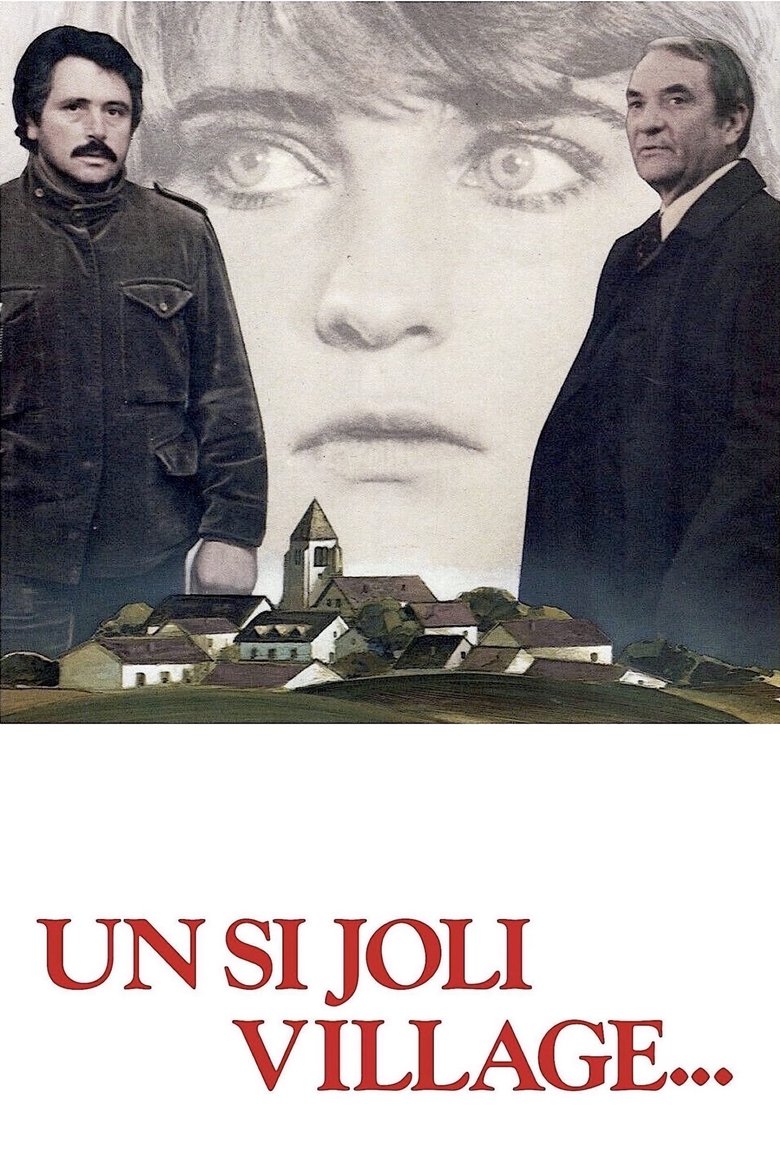
1979
RDirector
Étienne Périer
Runtime
116 minutes
Average Rating
No ratings yetSynopsis
Stephane (Victor Lanoux) is the mayor of a small village. He is also the manager of the tannery which provides the inhabitants with work. In a fit of anger, he kills his wife (Edith Scob). A judge (Jean Carmet) tries to prove his culpability, but it's not an easy task, because there is a political and social pressure.
Overall Score
Limited
Category Breakdown
LGBTQ+ Representation
The film lacks LGBTQ+ characters or non-cisnormative identities. The narrative focuses on a domestic crime within a traditional social structure.
Gender Representation
Male authority figures like the Mayor and Judge dominate the narrative. The female lead's role is defined primarily by her relationship to the male protagonist and her status as a victim.
Racial & Ethnic Diversity
The setting in a small 1979 French village suggests a largely homogeneous cast. There is no evidence of racial blending or diverse casting to challenge historical norms.
Religious & Cultural Diversity
The story critiques local political and social institutions through the lens of corruption. It examines the tension between law and social pressure rather than systemic deconstruction.
Disability Representation
There is no information regarding characters with visible or invisible disabilities in the film's narrative.
Strengths
Areas for Improvement
AI Analysis
Such a Lovely Town... is a character study centered on power, culpability, and localized corruption. The film follows a mayor who uses his economic influence to evade justice after a domestic tragedy, highlighting the friction between law and social pressure. The representation is rooted in the traditional dramatic structures of late-70s European cinema. It prioritizes a study of patriarchal hierarchies and social cohesion over progressive identity politics or intersectional subversion. Ultimately, the film functions as a localized crime drama. It explores how individual criminality and political influence can undermine the integrity of small-town governance.
1972
1957
1940
1968
1963
1979
1966
1966
1997
1977
1959

1967
No reviews yet. Be the first to share your thoughts on this movie!
Use the rating form above to leave a star rating and optional review.