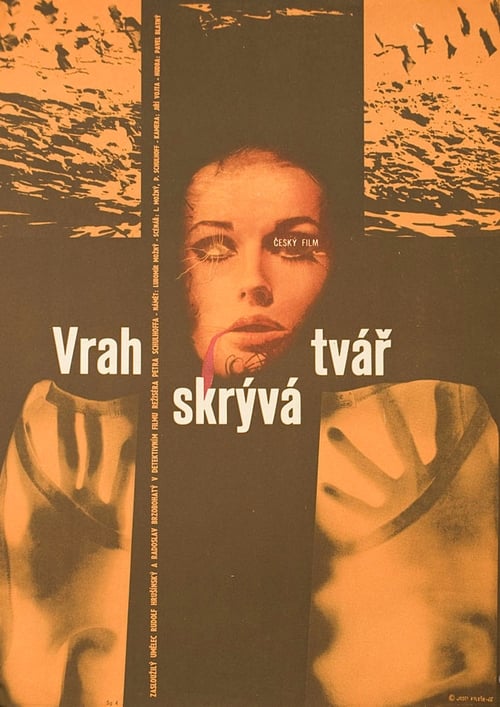
The Murderer Hides His Face
1966
No user ratings available yet
Diversity score: 3.7 out of 10

1963
Director
François Leterrier
Runtime
85 minutes
Average Rating
No ratings yetSynopsis
A policeman and a serial killer play cat and mouse in an isolated mountain village in Nineteenth century France. The second film directed by the man who played the admirable lead role in Robert Bresson's A Man Escaped is a stylized and intense adaptation of a novel by Jean Giono. This police investigation in a 19th century village combines visual beauty with the rigor of the mise-en-scène—the vertigo of the criminal motivations indivisible from the refined graphics of the images.
Overall Score
Limited
Category Breakdown
LGBTQ+ Representation
The film lacks explicit LGBTQ+ characters or narratives. It appears to adhere to the social constraints of a 19th-century setting, focusing instead on a localized crime drama.
Gender Representation
Agency is concentrated in male-coded roles, centering on a cat-and-mouse dynamic between a policeman and a killer. This structure emphasizes masculine archetypes of pursuit and predation.
Racial & Ethnic Diversity
The setting in an isolated 19th-century French mountain village suggests demographic homogeneity. The film reflects the specific historical and geographic realities of that era.
Religious & Cultural Diversity
The narrative explores moral relativism rather than traditional clarity. It uses a claustrophobic village setting to potentially critique the stability of communal institutions.
Disability Representation
There is no documented evidence regarding the portrayal of physical or neurodivergent disabilities within the film.
Strengths
Areas for Improvement
AI Analysis
A King Without Distraction is a stylized psychological study that prioritizes existential tension over demographic breadth. The film's strength lies in its disruption of conventional crime tropes, moving away from simple binaries to explore the complex psyche of its antagonist. However, the work lacks modern intersectional markers. The narrative architecture is heavily centered on masculine archetypes and reflects the demographic homogeneity of its 19th-century French setting. Ultimately, the film functions as an atmospheric exploration of human behavior rather than a vehicle for diverse representation.
1966
1972

2015
1977
1979
1966
1971
1959
1968
1957
1991
1971
No reviews yet. Be the first to share your thoughts on this movie!
Use the rating form above to leave a star rating and optional review.