The Cop
1970
No user ratings available yet
Representation score: 5.1 out of 10
Representation Score
Limited
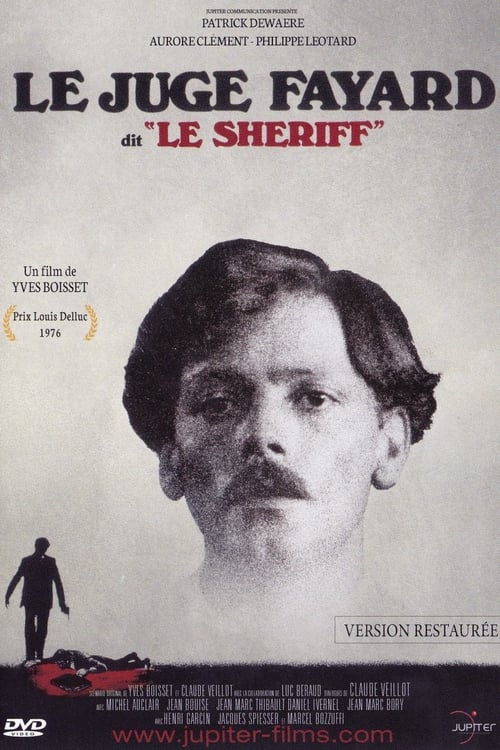
1977
Director
Yves Boisset
Runtime
112 minutes
Average Rating
No ratings yetNew Showbiz Analysis
The film primarily critiques institutional systems rather than exploring demographic diversity. Its progressive stance lies in challenging the stability of traditional legal hierarchies. While it lacks significant representation of gender, race, or LGBTQ+ identities, it offers a strong critique of established power structures. The protagonist serves as a disruptive force against systemic inertia.
Category Breakdown
The film does not include any explicit LGBTQ+ narratives or characters with non-binary gender identities. The story focuses on the magistrate's struggle with socio-political issues rather than personal relationships centered around identity.
The story is driven by a male protagonist in a position of authority. It does not challenge traditional gender power dynamics or provide a nuanced look at masculinity.
The film is set in a provincial French city and focuses on class and institutional corruption. There is no mention of racial or ethnic diversity among the characters.
The film stands out by criticizing traditional Western institutions. It portrays a protagonist who resists institutional pressures and maintains personal moral integrity.
There is no indication that disability, neurodivergence, or chronic illness affects the character development or the main storyline.
Present on Screen
Limited or Absent
Official Synopsis
Jean-Marie Fayard is a young examining magistrate in a large provincial french city. He belongs to that generation of judges who are endeavoring to re-adapt the notion of justice to our changing times. His methods are not agreeable to every one. Criticism and pressure are brought to bear upon him but he is aware of his value, professionally, and refuses to make any concessions. He follows an unwavering course. He uses dynamic methods and takes uncustomary initiatives. He behaves like a crusader, a battler, whence the nickname given him by the reporters : the sheriff.
1970
1979
1966

1985
1971

1983
1968

1989
No reviews yet. Be the first to share your thoughts on this movie!
Use the rating form above to leave a star rating and optional review.