Duel in the Sun
1946
No user ratings available yet
Representation score: 3.3 out of 10
Representation Score
Minimal
1960
NRDirector
John Huston
Runtime
125 minutes
Average Rating
No ratings yetNew Showbiz Analysis
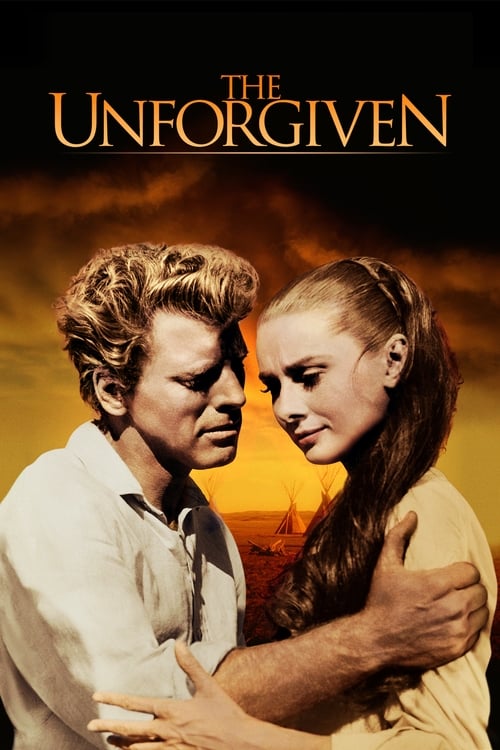
The Unforgiven is a classic Western that reflects the social and cinematic norms of its time. It emphasizes frontier justice through a conventional lens, reinforcing traditional hierarchies of gender and race. The narrative relies on standard genre clichés without challenging them. Indigenous characters are used primarily to drive moral dilemmas, while the narrative centers on white protagonists and male-dominated leadership.
Category Breakdown
The film focuses on traditional romantic and familial relationships, with no depiction of LGBTQ+ identities or same-sex intimacy.
Female characters play supporting roles within a patriarchal structure, where the narrative drive revolves around male-led conflicts involving justice and survival.
The cast is mainly white, with the Kiowa tribe used primarily as a plot device rather than having their own choices.
The story delves into the morality of violence and the importance of justice, aligning with traditional Western values and community stability.
There are no significant depictions of disabilities, with characters defined by their physical capabilities and roles in the central conflict.
Present on Screen
Limited or Absent
Official Synopsis
The neighbors of a frontier family turn on them when it is suspected that their beloved adopted daughter was stolen from the Kiowa tribe.
1946
1946

1954
1947
1955
1960
2000
1943
No reviews yet. Be the first to share your thoughts on this movie!
Use the rating form above to leave a star rating and optional review.