
The Intruders
1970
No user ratings available yet
Diversity score: 2.9 out of 10
1971
NRDirector
Earl Bellamy
Runtime
73 minutes
Average Rating
No ratings yetSynopsis
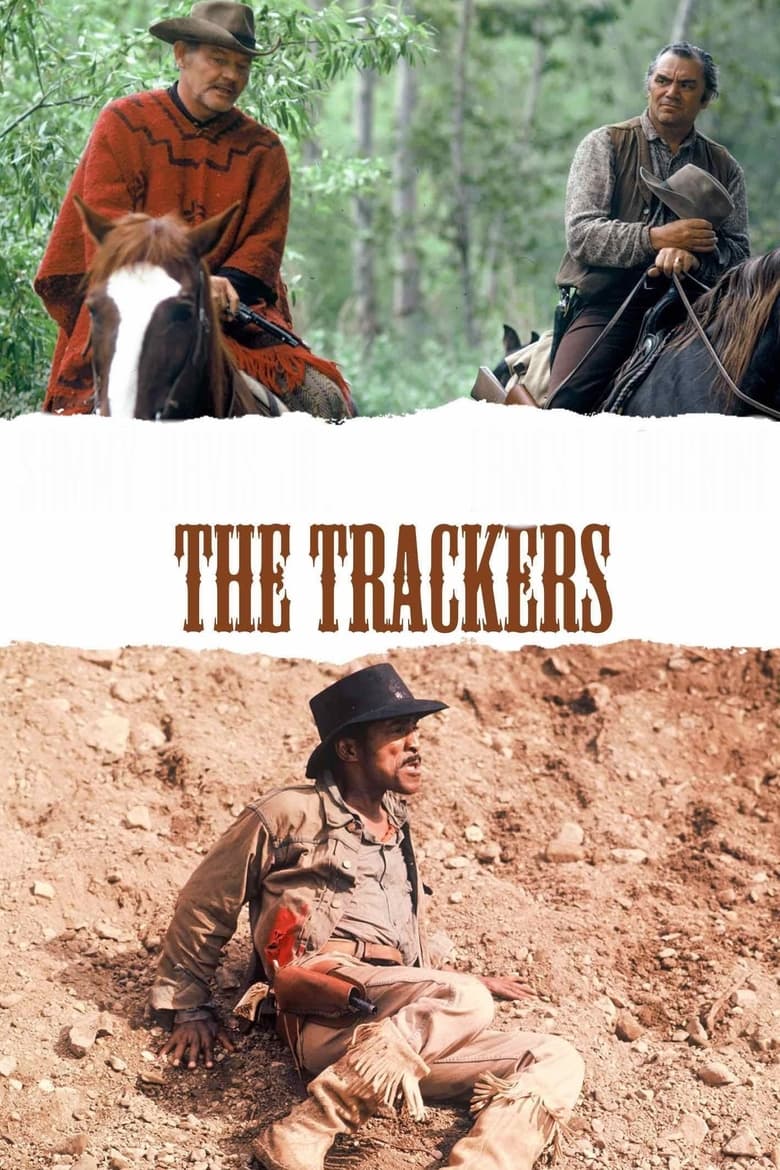
A rancher comes home and finds that his son has been murdered and his daughter kidnapped by a bandit gang. He hires a professional tracker with a reputation for finding his quarry to help him find the gang and rescue his daughter.
Overall Score
Minimal
Category Breakdown
LGBTQ+ Representation
The film follows a strictly heteronormative structure. It lacks any representation of non-cisnormative identities or narratives that challenge traditional social norms.
Gender Representation
Masculine agency drives the plot through a group of male trackers and lawmen. Women function primarily as plot devices, such as the kidnapped daughter, rather than active participants.
Racial & Ethnic Diversity
The cast is predominantly white and Anglo-Saxon, reflecting the homogeneous demographics common in Westerns of this era. There is no significant presence of non-white characters with agency.
Religious & Cultural Diversity
The story upholds traditional Western values like frontier justice and family sanctity. It reinforces standard morality rather than critiquing Western hegemony or religious institutions.
Disability Representation
There is no visible or invisible disability representation. Characters are defined by the physical capabilities required for a rugged frontier lifestyle.
Strengths
Areas for Improvement
AI Analysis
The Trackers is a conventional Western that adheres strictly to the social hierarchies and narrative archetypes of its time. It prioritizes a singular, homogeneous perspective of the American frontier, focusing on traditional patriarchal structures and masculine-driven justice. The film lacks intentionality regarding intersectional identities or the subversion of established norms. Instead, it functions as a reinforcement of mid-century cultural standards, offering little complexity in its depiction of race, gender, or social roles.
1970
1987
1966
1975
No reviews yet. Be the first to share your thoughts on this movie!
Use the rating form above to leave a star rating and optional review.