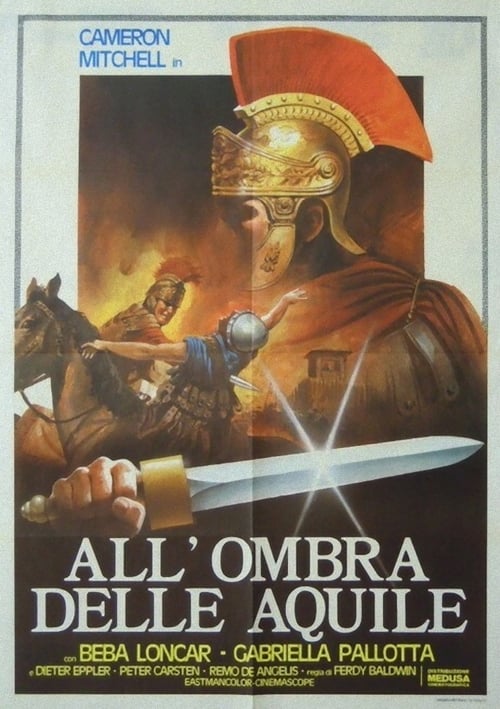
In the Shadow of the Eagles
1966
No user ratings available yet
Representation score: 1.9 out of 10
Representation Score
Limited
1967
Director
Ferdinando Baldi
Runtime
88 minutes
Average Rating
No ratings yetNew Showbiz Analysis
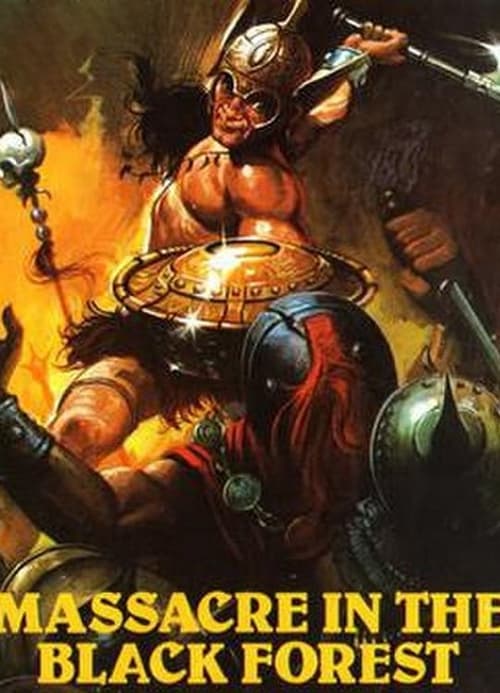
Massacre in the Black Forest operates as a traditional 1960s historical epic, prioritizing action and tribal conflict over modern characters who reflect more than one aspect of diversity. It lacks any visible engagement with LGBTQ+ identities or disability. While the film is heavily centered on masculine archetypes of dominance, it finds its strength in its narrative deconstruction of imperial authority. By casting the Roman Empire as a corrupt and oppressive entity, it challenges the cliché of the benevolent conqueror. Ultimately, the film's diversity is limited by its genre constraints, offering a moderate critique of systemic power while remaining firmly rooted in the era's conventional social binaries.
Category Breakdown
The film adheres to the traditional gender and orientation binaries common in 1960s war epics. There are no LGBTQ+ characters or non-straight relationships portrayed.
Male characters have significant roles in driving the story, focusing on masculine archetypes of warfare and leadership. The narrative does not challenge traditional gender hierarchies.
The story uses a clash of civilizations framework, positioning Teutonic tribes against Roman hegemony. This allows for the representation of non-Roman ethnic identities through a historical lens.
The film critiques Western institutional power by framing the Roman Empire as evil and treacherous. This challenges the idea of imperial expansion as a benevolent or civilizing force.
There is no evidence that disability, neurodivergence, or chronic illness are addressed as character traits or narrative elements within the film.
Present on Screen
Limited or Absent
Official Synopsis
In the first half of the first century A.D., the Teutonic tribes, led by Arminius The Terrible, rebel against the cruel and conquering Roman Empire. In raging torments and blood curdling battles, the barbarian tribes and Roman Legions fight a war of attrition, so brutal and terrible that Arminius becomes a legend throughout the empire. Only Augustus, Emperor of Rome is evil and treacherous enough to enslave the Teuton barbarian and halt his murderous uprisings.
1966
1964
1962
2017

1963
2010
1954
1960
No reviews yet. Be the first to share your thoughts on this movie!
Use the rating form above to leave a star rating and optional review.