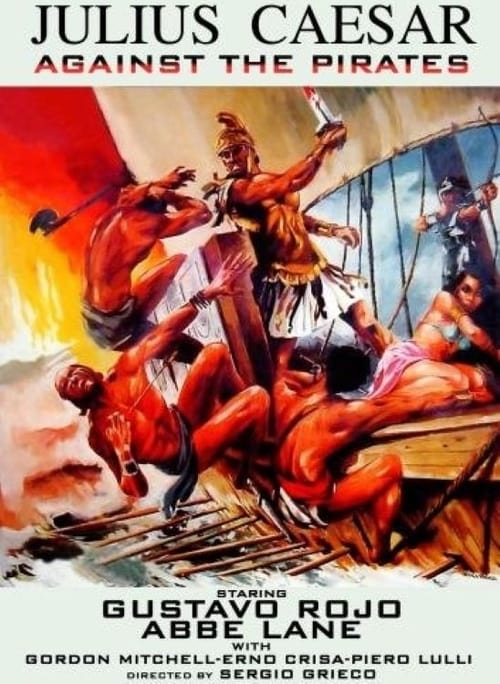
Caesar Against the Pirates
1962
No user ratings available yet
Representation score: 1.3 out of 10
Representation Score
Minimal
1966
Director
Ferdinando Baldi
Runtime
94 minutes
Average Rating
No ratings yetNew Showbiz Analysis
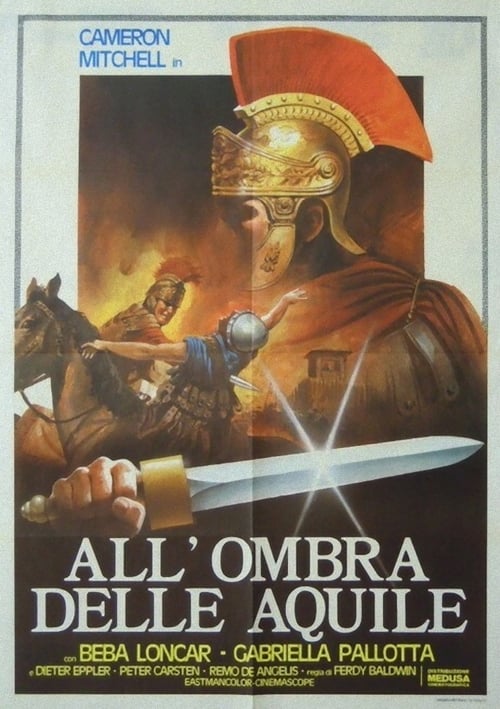
In the Shadow of the Eagles is a conventional historical adventure that adheres to the cinematic clichés of the 1960s. It prioritizes masculine leadership and the preservation of imperial stability over any subversion of social hierarchies. The film relies heavily on established genre formulas, such as the clash between Roman civilization and 'barbarian' tribes. While different ethnic groups are present, they function as plot devices rather than nuanced cultural studies. Ultimately, the film's narrative structure is built around traditional romantic clichés and the reinforcement of centralized power, offering little in the way of modern social critique.
Category Breakdown
The film follows a strictly heterosexual and cisgender structure. Conflict is driven by traditional courtship and romantic jealousy, with no presence of LGBTQ+ identities.
Female characters like Helen and Julia take active roles through plotting and conflict. However, their motivations remain tied to romantic interests and male-centered power dynamics.
The story utilizes a 'civilization vs. barbarian' dichotomy. While Romans, Illyrians, and Pannonians appear, these ethnic distinctions primarily serve to drive plot-based conflict.
The narrative reinforces traditional Western concepts of imperial authority and hierarchy. It focuses on maintaining Roman order rather than exploring diverse cultural perspectives.
There are no visible or invisible disabilities depicted as central to the character arcs or the narrative progression.
Present on Screen
Limited or Absent
Official Synopsis
After the death of Octavian, the rebel populations of Illyria and Pannonia pose a grave threat to the Roman Empire. Tribune Marcus Ventidius is sent to subdue the uprising and, after a bitter battle, captures Pannonian chief Magdus together with a number of women hostages. These include Magdus's own daughter Helen, betrothed to cruel Illyrian warrior Batone who has killed many Romans. Julia, daughter of the Roman governor Messala, is in love with Tribune Marcus and, jealous of his sympathy for the barbarian girl, plots an escape by Helen and her father. Pursuing the fugitives, Marcus crosses a mountain pass where Batone has laid a trap.
1962

2010
1961
1962
1962
1950

1969
1961
No reviews yet. Be the first to share your thoughts on this movie!
Use the rating form above to leave a star rating and optional review.