Alexander the Great
1956
No user ratings available yet
Representation score: 1.4 out of 10
Representation Score
Minimal
1954
TV-14Director
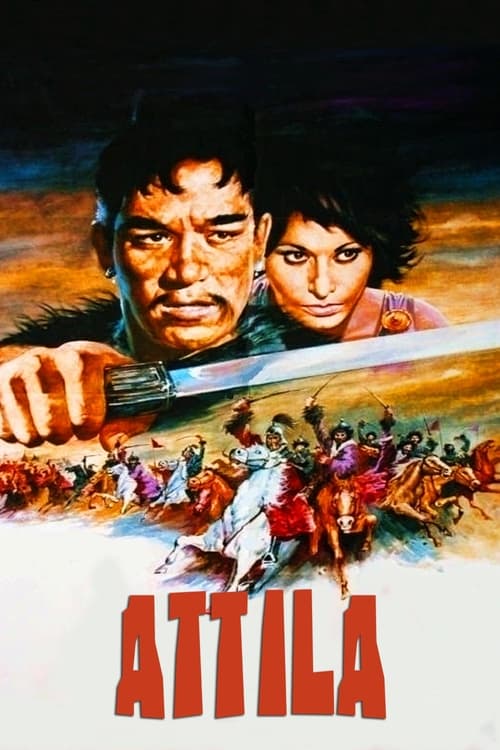
Pietro Francisci
Runtime
79 minutes
Average Rating
No ratings yetNew Showbiz Analysis
Attila (1954) is a traditional historical epic that prioritizes the clash of empires over the exploration of individual identity. The narrative structure reinforces established social and power hierarchies rather than challenging them. The film relies on mid-century archetypes to create dramatic tension, favoring institutional authority and patriarchal structures over progressive representation. Ultimately, the work reflects its time period, emphasizing geopolitical conflict and the preservation of imperial dominance.
Category Breakdown
The film adheres to the strict heterosexual and cisgender norms typical of 1950s sword-and-sandal epics. There is no presence of diverse sexual orientations or gender identities.
Female characters serve mainly as romantic interests or figures of domestic influence. They lack the power to challenge the male-dominated military and political structures driving the plot.
The story presents a binary conflict between the Roman Empire and the Hunnic tribes. Representation relies on historical archetypes rather than exploring nuanced ethnic identities.
The narrative emphasizes the tension between Christian Roman institutions and pagan Hunnic structures. It reinforces the importance of established religious and political orders.
The film focuses solely on the physical prowess and military capabilities of its protagonists. There is no representation of neurodivergence or physical impairments.
Present on Screen
Limited or Absent
Official Synopsis
Attila, the leader of the barbarian Huns and called by the Romans "The Scourge of God", sweeps onto the Italian peninsula, defeating all of the armies of Rome, until he and his men reach the gates of the city itself.
1956

1944
1957
1938
1965
1961

1963
1964
No reviews yet. Be the first to share your thoughts on this movie!
Use the rating form above to leave a star rating and optional review.