A Summer Tale
2000
No user ratings available yet
Representation score: 3.2 out of 10
Representation Score
Limited
1985
UnratedDirector
Lasse Hallström
Runtime
102 minutes
Average Rating
No ratings yetNew Showbiz Analysis
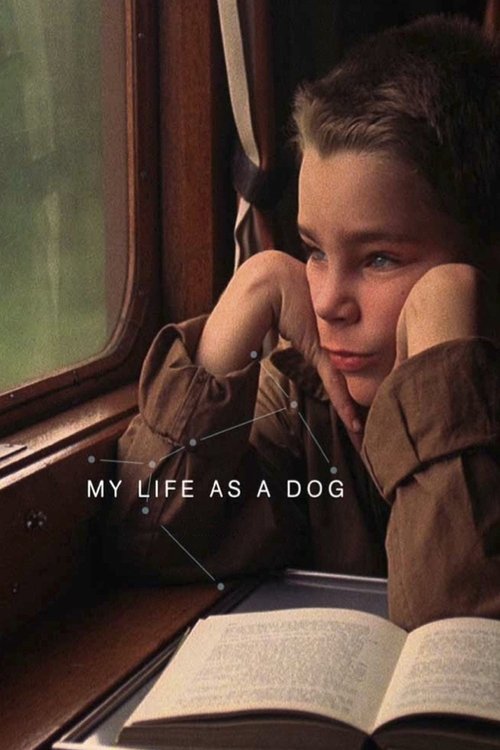
My Life as a Dog is a specialized character study that prioritizes psychological realism over social breadth. Its low diversity score reflects its historical setting and focus on a homogeneous, rural population. The film's strength lies in its ability to use unconventional narrative devices to explore the internal complexities of the human condition. It avoids the pitfalls of 'inspiration porn' by focusing on the raw reality of childhood grief. However, the film lacks demographic variety, offering little representation of racial, ethnic, or LGBTQ+ identities within its mid-century Swedish setting.
Category Breakdown
The film follows the straight-centered social norms of 1950s rural Sweden. There are no depictions of LGBTQ+ identities or queer relationships.
Gender dynamics reflect the era's social constraints. Adult figures occupy traditional roles, such as a stoic father and a stepmother adjusting to a new family structure.
Set in a rural Swedish context in 1959, the film presents a homogeneous demographic. The casting and setting reflect the historical reality of the location.
The narrative focuses on individual grief and the family unit rather than institutional critique. It does not prioritize secularism or anti-Western viewpoints.
The film offers a sophisticated portrayal of neurodivergent coping mechanisms. Ingemar’s psychological retreat into a canine identity explores mental health and trauma processing.
Present on Screen
Limited or Absent
Official Synopsis
A boy, obsessed with comparing himself with those less fortunate, experiences a different life at the home of his aunt and uncle in 1959 Sweden.
2000

1980

1993

2008

1995
1999

1999

2007
No reviews yet. Be the first to share your thoughts on this movie!
Use the rating form above to leave a star rating and optional review.