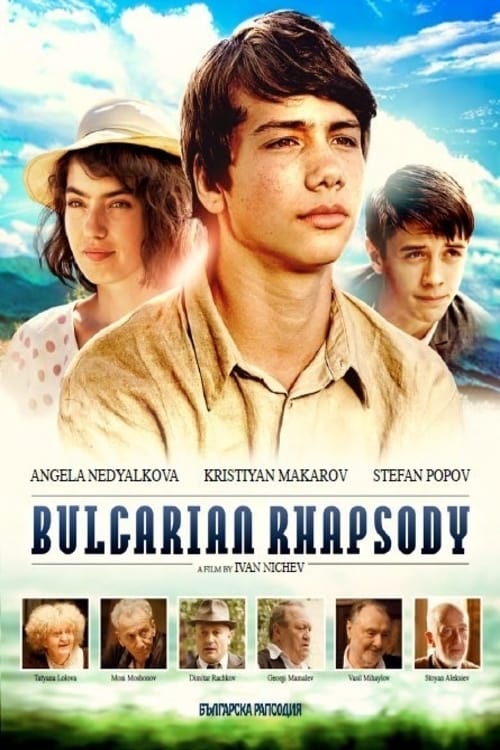
Bulgarian Rhapsody
2014
No user ratings available yet
Representation score: 5.7 out of 10
Representation Score
Fair
2007
Director
Radu Gabrea, Marijan David Vajda
Runtime
100 minutes
Average Rating
No ratings yetNew Showbiz Analysis
This film offers a sophisticated historical critique, deconstructing the myth of European stability. It uses a coming-of-age framework to explore how systemic collapse impacts specific cultural identities. While the narrative provides depth to the ethnic German community’s experience, it does not prominently feature LGBTQ+ identities. The focus remains on broader sociopolitical issues. Ultimately, the film successfully re-evaluates historical power dynamics. It presents the end of an 800-year ethnic presence as a tragic consequence of political blindness rather than a triumph.
Category Breakdown
The film explores first love and broken friendships set in 1944. It does not center on any explicitly queer-coded identities.
The story emphasizes the loss of innocence and the dismantling of social hierarchies. It challenges traditional male leadership by showing ineffective adult structures during the rise of fascism.
The film delves into the experiences of ethnic Germans in Romania, providing a detailed look at a specific community caught in a geopolitical shift. It avoids presenting a monolithic history by focusing on localized identity.
The movie critiques traditional European institutions and bourgeois values. It highlights the collapse of these long-standing social structures due to systemic corruption and fascism.
There is no indication that disability or neurodivergence is a central theme in the film.
Present on Screen
Limited or Absent
Official Synopsis
A moving coming of age story in a time of extreme change: on August 23, 1944 in a small city in Romanian Transylvania, the 16 year old Felix Goldschmidt awaits his classmates for their traditional Exitus Party (school graduation). However, this very day the kingdom of Romania takes leave of its ally of many years - Nazi Germany - thus ending the 800 year old, highly successful story of ethnic German immigration at the feet of the Carpathian Mountains. It is a great story of young people's blindness to the rise of Fascism, the destruction of bourgeois values, a first love and shattered friendships.
2014
1970
2006
1969
1980

2002

2010
2018
No reviews yet. Be the first to share your thoughts on this movie!
Use the rating form above to leave a star rating and optional review.