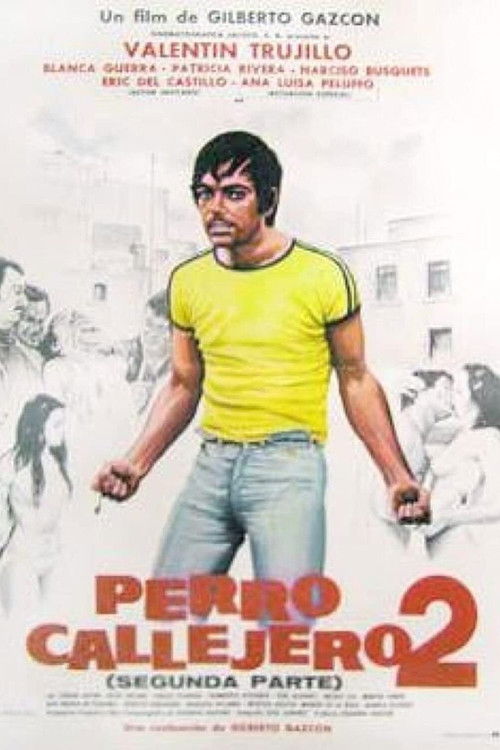
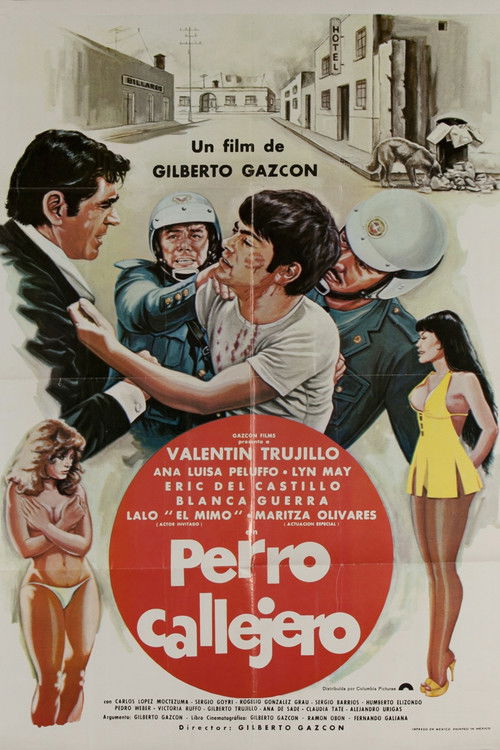
Perro callejero 2
1981
No user ratings available yet
Representation score: 4.3 out of 10
Representation Score
Good
1980
Director
Gilberto Gazcón
Runtime
120 minutes
Average Rating
No ratings yetNew Showbiz Analysis
Perro callejero is a gritty social realist critique of systemic failure in Mexico City. It dismantles the perceived benevolence of religious and state institutions, emphasizing survival over traditional morality. While the film does not explicitly highlight multi-layered markers related to gender and disability, it provides a strong localized perspective. It avoids sanitized views of society, instead focusing on the friction between underrepresented individuals and governing structures. The film's strength lies in its cultural subversion. By focusing on the 'street kid' experience, it challenges the idealized stability often portrayed in mainstream Western media.
Category Breakdown
The film does not explicitly show LGBTQ+ relationships, but the inclusion of Lyn May suggests a possible nod to subcultural representation or non-traditional gender roles.
The story focuses on a male protagonist dealing with gang violence and delinquency. Female characters are present but the narrative emphasizes traditional masculine traits like aggression.
By focusing on the challenges faced by Mexico City's underrepresented communities, the film highlights the experiences of underrepresented groups like orphans and the homeless.
The film questions the role of religious institutions by depicting a conflict between a thief and a priest. It explores a complex morality that challenges the sanctity of the Church.
There are no characters with physical or neurodivergent disabilities in the film. The narrative concentrates on socio-economic issues and criminal behavior.
Present on Screen
Limited or Absent
Official Synopsis
An abandoned child steals to survive and has problems when he decides to steal from the priest who helps him.
1981

1980
1990

1959
1985

1986
1982

1988
No reviews yet. Be the first to share your thoughts on this movie!
Use the rating form above to leave a star rating and optional review.