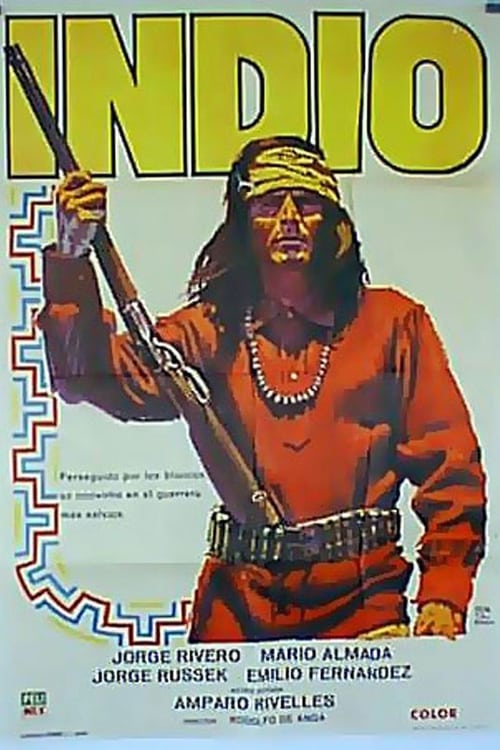
Indio
1972
No user ratings available yet
Representation score: 3.9 out of 10

Representation Score
Limited
1975
PGDirector
Tom Laughlin
Runtime
110 minutes
Average Rating
No ratings yetNew Showbiz Analysis
The film serves as a critique of colonial expansion by focusing on the theft of Indigenous land. While it offers a more socially aware perspective compared to many of its contemporaries, it remains deeply rooted in traditional masculine heroism. The central conflict is driven by male power struggles, limiting space for diverse viewpoints and complex social identities. Ultimately, it fails to offer meaningful representation for women or the LGBTQ+ community, reflecting the limitations of its time.
Category Breakdown
The film follows the conventions typical of mid-70s genre cinema, focusing on heterosexual relationships and ignoring non-cisgender gender identities or same-sex intimacy.
The story revolves around male-centric power dynamics and conflicts, with female characters having little influence or subversion of traditional gender roles.
The plot centers on the peaceful Indigenous population defending their land against settlers. This challenges standard Western narratives by highlighting the theft of Indigenous lands.
The film critiques the corruption associated with Western expansion and colonialism. It maintains a traditional good-versus-evil storyline through its hero.
There are no visible or invisible disabilities portrayed within the primary character arcs.
Present on Screen
Limited or Absent
Official Synopsis
Don Santiago (Richard Angarola) is a vicious man who helps provoke an Indian massacre that will allow him to steal the Indians' land and claim it as his own. However, his son-in-law, Finley (Tom Laughlin), is an expert hand with both guns and swords and will not allow him to push around the peace-loving Indians or fellow settlers of the West.
1972

1950
1971
1965
1975
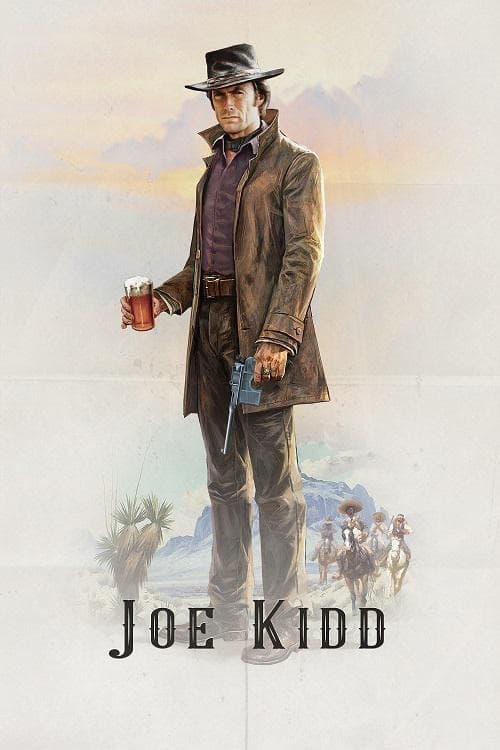
1972
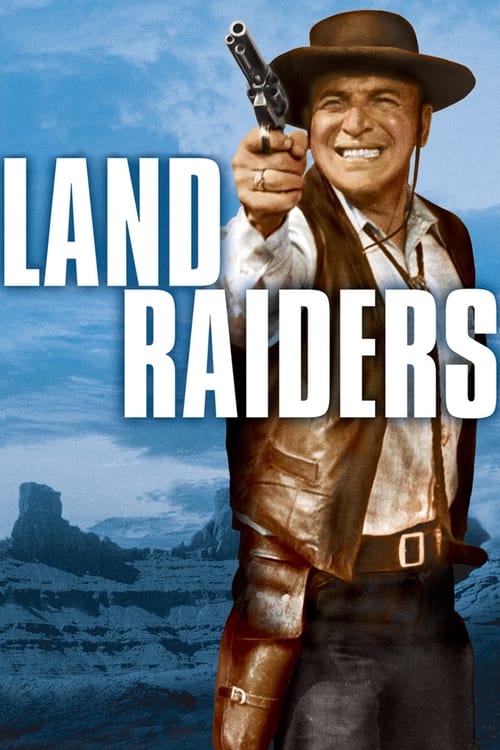
1969
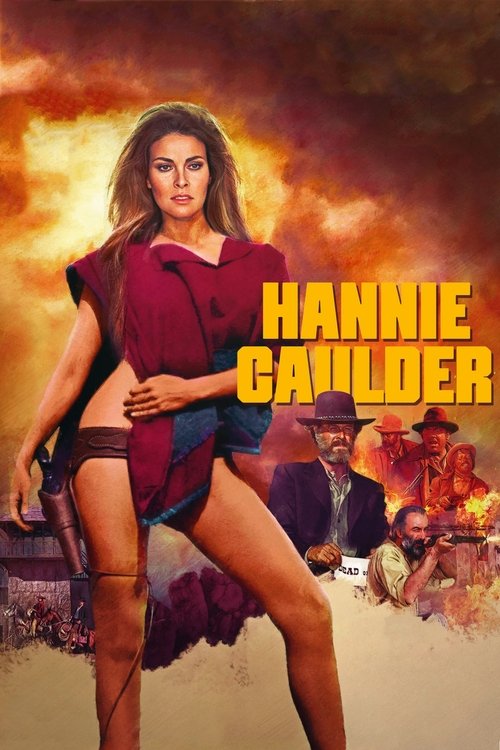
1971
No reviews yet. Be the first to share your thoughts on this movie!
Use the rating form above to leave a star rating and optional review.