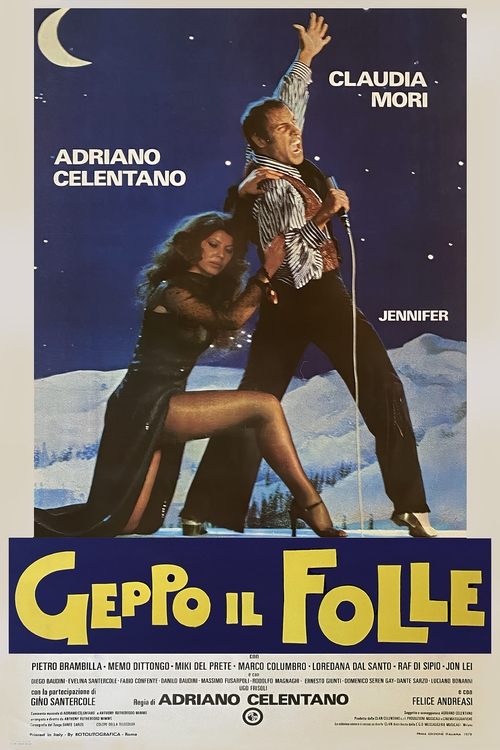
Geppo il folle
1978
No user ratings available yet
Representation score: 2.9 out of 10
Representation Score
Fair
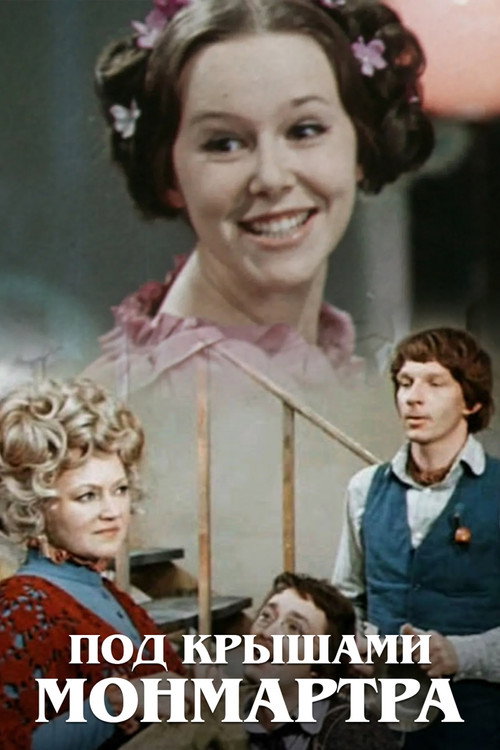
1975
Director
Vladimir Gorikker
Runtime
137 minutes
Average Rating
No ratings yetNew Showbiz Analysis
Under the Roofs of Montmartre is a character-driven comedy that excels in social critique rather than highlighting diverse identities. The film effectively portrays a communal, anti-capitalist lifestyle that challenges institutional norms through the lens of bohemian artistry. However, the work remains limited by its lack of explicit diversity markers. The focus on a specific Parisian artistic class results in a homogeneous racial depiction and a lack of clear LGBTQ+ representation. Ultimately, the film explores class struggle and communal ethics. While it challenges economic hierarchies, it does not extend beyond traditional demographic boundaries to offer a more diverse social fabric.
Category Breakdown
The film sets its story in a bohemian environment known for accommodating non-traditional social arrangements. However, it does not explicitly include queer identities or non-cisgender expressions, focusing instead on conventional romantic relationships.
Violette is a central figure whose fight against economic hardship drives the plot. Her involvement in the artist collective provides a break from strictly patriarchal domestic narratives.
The story is set in a localized Parisian context within the Montmartre district. There is no indication of a multi-ethnic cast, resulting in a homogeneous portrayal of the era's artistic community.
The narrative criticizes capitalist stability by emphasizing communal support over property ownership. It challenges traditional economic hierarchies through the artists' collective resistance to landlord authority.
None of the character descriptions mention any visible or invisible disabilities.
Present on Screen
Limited or Absent
Official Synopsis
A story of three struggling artists: a painter, a poet, and a composer, living in a bohemian Montmartre district of Paris. They help a poor flower girl, Violette, to find shelter, when she is thrown out by her landlord.
1978

1992
1958
1967
1975
1954
1957
1951
No reviews yet. Be the first to share your thoughts on this movie!
Use the rating form above to leave a star rating and optional review.