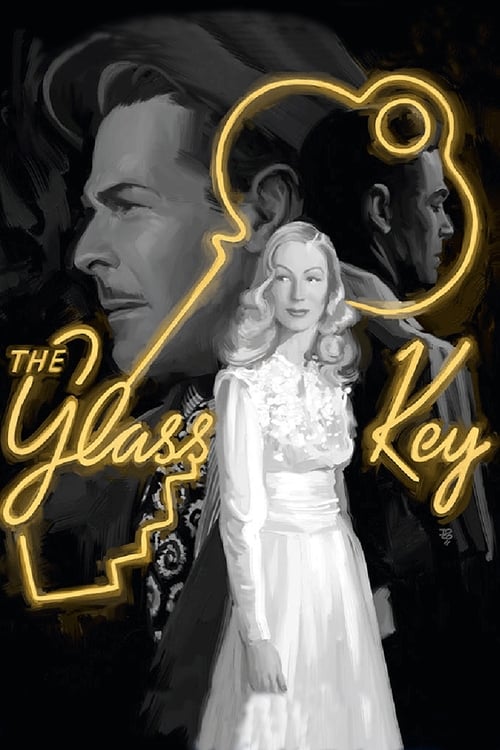
The Glass Key
1942
No user ratings available yet
Representation score: 1.9 out of 10
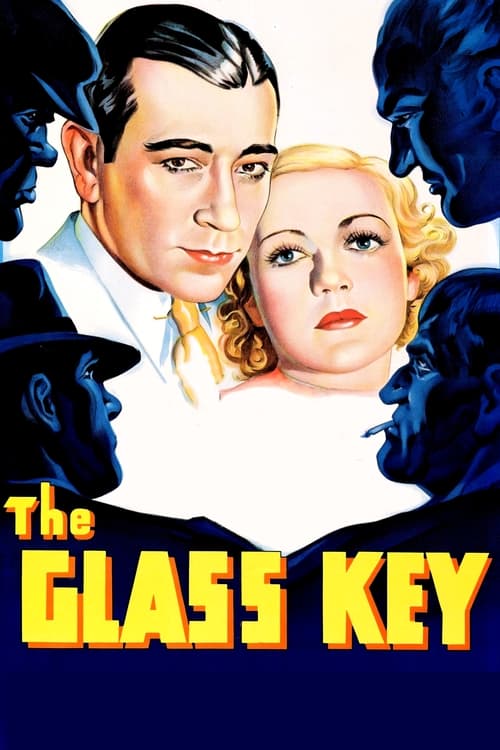
Representation Score
Minimal
1935
NRDirector
Frank Tuttle
Runtime
78 minutes
Average Rating
No ratings yetNew Showbiz Analysis
The Glass Key is a classic example of its time, emphasizing a cynical view of institutional authority. While it excels in its portrayal of political corruption and moral ambiguity, it falls short in representing a diverse range of identities and backgrounds. The film remains rooted in the traditional social hierarchies of the mid-1930s, lacking representation across various modern diversity metrics.
Category Breakdown
The film does not include any characters with LGBTQ+ identities or non-straight relationships. The social dynamics are strictly heterosexual and conform to the traditional structures of the 1930s.
Janet Henry plays a key role in the investigation. However, the story follows noir conventions where women primarily serve as catalysts for male-driven actions.
The cast is mainly composed of white actors, reflecting the standards of 1935 cinema. The film lacks meaningful racial diversity, focusing on a predominantly white political landscape.
The story offers a critical look at the corrupt political machine. It portrays Western institutions and legal authority as compromised and morally ambiguous.
There are no visible or hidden disabilities shown. Characters are defined by their physical abilities and social standing rather than any form of disability or chronic illness.
Present on Screen
Limited or Absent
Official Synopsis
When Paul Madvig, a successful politician who fights his rivals to seize the city, becomes implicated in a murder, Ed Beaumont, his friend and right-hand man, must decide which side he is on.
1942
1951
1956

1946
1948
1947
1949
1947
No reviews yet. Be the first to share your thoughts on this movie!
Use the rating form above to leave a star rating and optional review.