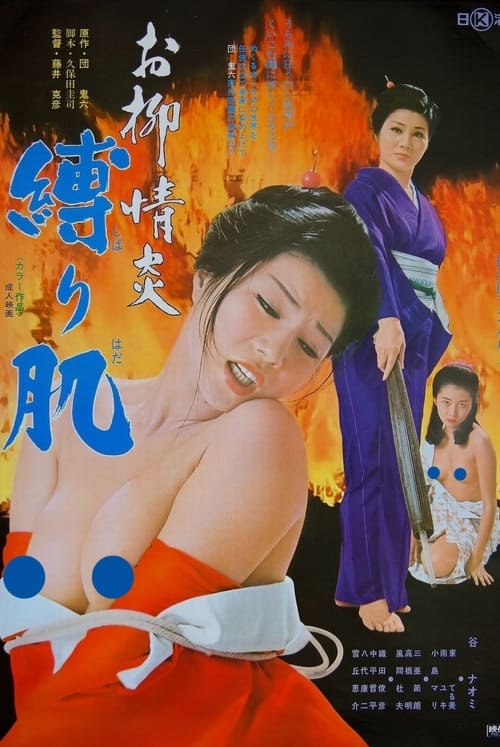
Oryu's Passion: Bondage Skin
1975
No user ratings available yet
Representation score: 5.9 out of 10
Representation Score
Fair
1979
Director
Shōgorō Nishimura
Runtime
70 minutes
Average Rating
No ratings yetNew Showbiz Analysis
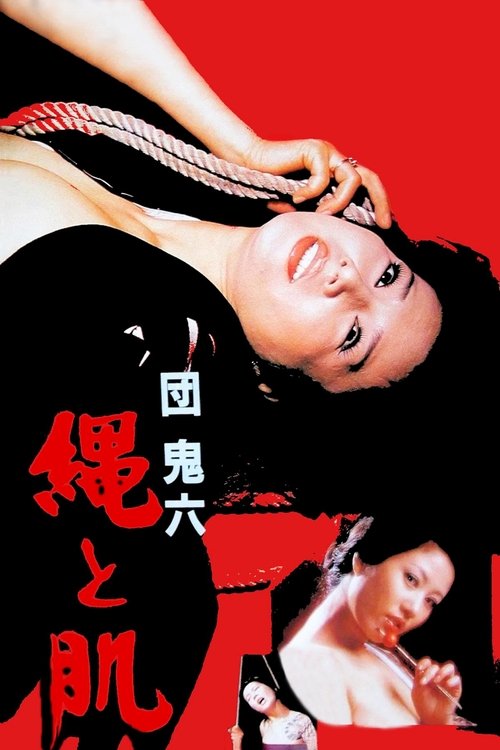
Rope and Skin highlights female empowerment within a traditionally male-dominated yakuza framework. Okoma drives the plot through her own decisions and leadership, rather than a submissive role. However, the film lacks diverse representation. The cast is ethnically uniform, and the narrative does not explore LGBTQ+ identities or disability issues. The tension between Okoma's empowerment and the systemic violence she faces provides a nuanced look at power dynamics, even though the film remains within a localized cultural context.
Category Breakdown
The story centers on a romantic relationship between Okoma and a male knife-fighter. There are no depictions of LGBTQ+ identities or non-straight relationships.
Okoma challenges traditional gender roles by taking a leading role in the story. However, her capture and torture highlight the tension between her empowerment and the broader societal violence.
The cast is ethnically uniform, reflecting the film's domestic Japanese setting. There is no multicultural casting.
The film critiques established power structures by focusing on the instability of yakuza hierarchies. It portrays a rebellion against a corrupt or changing status quo.
There are no visible or invisible disabilities represented in the film's character arcs or plot progression.
Present on Screen
Limited or Absent
Official Synopsis
Okoma (Red Cherry) was a woman gambler until she retired from the yakuza world. Two years later, she returns home, and finds that the big boss has been assassinated and his daughter is having trouble keeping things in line against the rival gang headed by the men who killed her father. Okoma decides to avenge her former boss and help his daughter, a former friend of hers. She recruits her own gang, starting with an expert knife-fighter, her former lover. After a fight, the new Gang Leader captures and tortures Okoma sadistically.
1975

1972

1968
1974
1968

1978
1969
1972
No reviews yet. Be the first to share your thoughts on this movie!
Use the rating form above to leave a star rating and optional review.