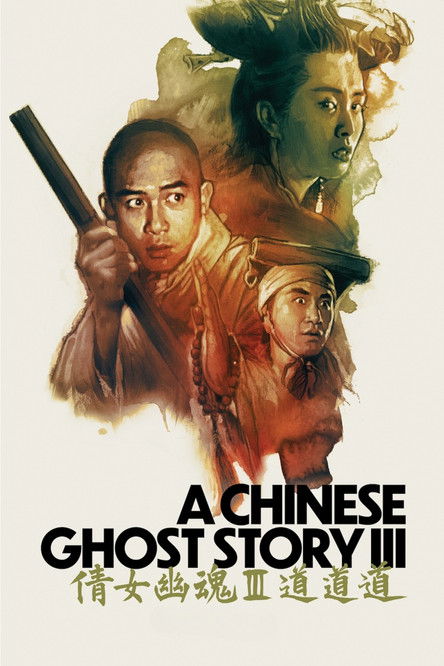
A Chinese Ghost Story III
1991
No user ratings available yet
Representation score: 3.8 out of 10
Representation Score
Fair
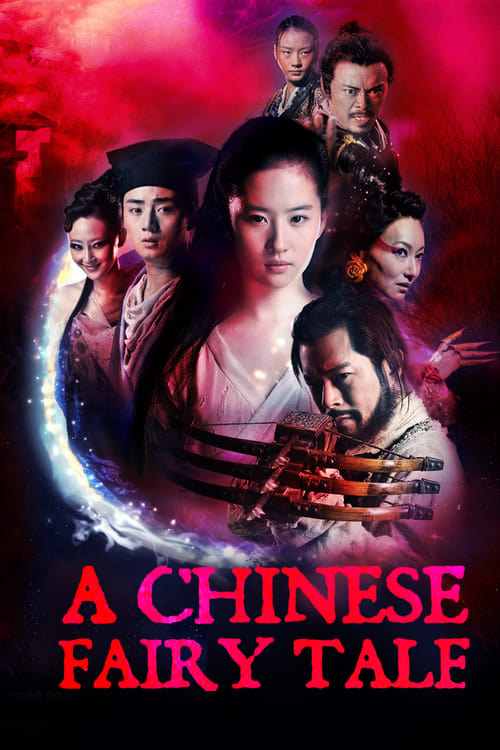
2011
Director
Wilson Yip
Runtime
100 minutes
Average Rating
No ratings yetNew Showbiz Analysis
Wilson Yip’s adaptation of this folklore shines in its dedication to cultural authenticity. By focusing on Chinese mythology without Western influence, the film offers a strong example of culturally specific storytelling. However, the film leans heavily on traditional genre conventions. Romantic and gender dynamics follow established patterns, favoring conventional structures. The work excels as a commercial success but falls short in challenging systemic power dynamics or representing diverse identities.
Category Breakdown
The film centers around a traditional love triangle involving two men competing for the affection of a female spirit. This setup reinforces conventional romantic structures.
The female lead has supernatural abilities but her storyline revolves around her romantic involvement with the male protagonist. The film upholds traditional gender roles and archetypes.
The predominantly Chinese cast ensures high cultural authenticity. The film avoids whitewashing by emphasizing its specific cultural roots.
The story is deeply rooted in Taoist spiritual traditions, celebrating classical folklore without critiquing traditional social structures.
A one-armed warrior appears as a battle-hardened character, used primarily for combat utility without exploring the nuances of physical disability.
Present on Screen
Limited or Absent
Official Synopsis
Government official Ling Choi Sin journeys to the parched Black Mountain Village, to help its inhabitants find water. As he leads a group of volunteers up the haunted mountain, he encounters a bevy of sexy demons as well as a lovely girl named Siu Sin. After wooing her with some candy, he falls for her... and then realises that he is caught in a deadly triangle; another guy, a demon-hunter named Yan Chek Ha is also in love with Siu Sin. However, before the two men can settle their differences, they have to contend with the evil Tree Demon as well as a one-armed demon hunter who is determined to kill all the supernatural beings.
1991
2008
2005

2015
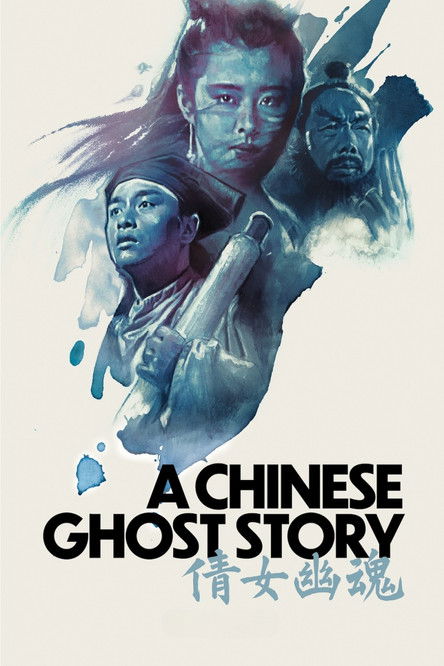
1987
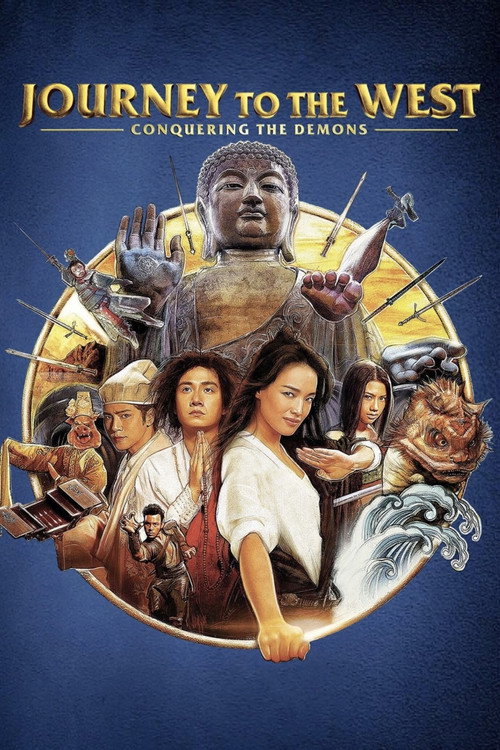
2013
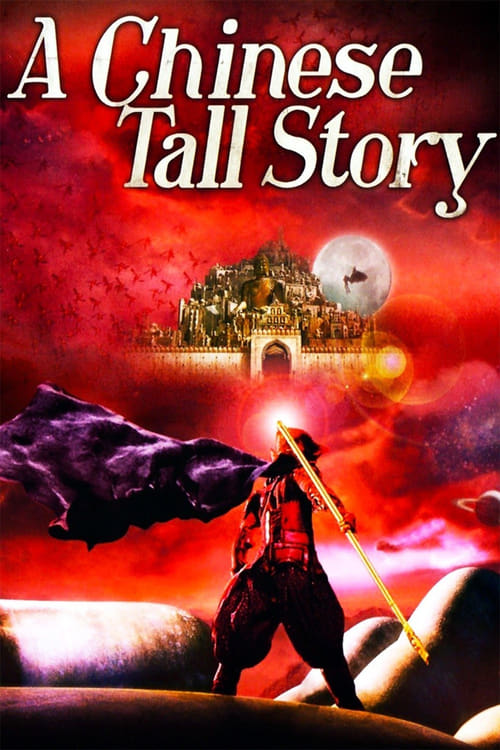
2005
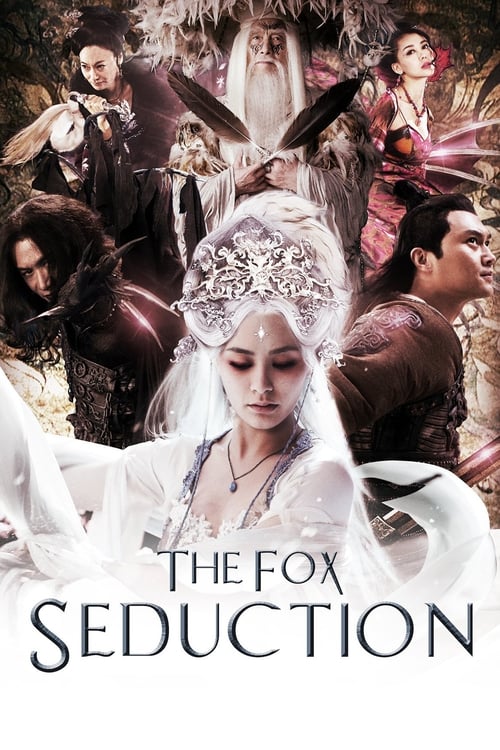
2013
No reviews yet. Be the first to share your thoughts on this movie!
Use the rating form above to leave a star rating and optional review.