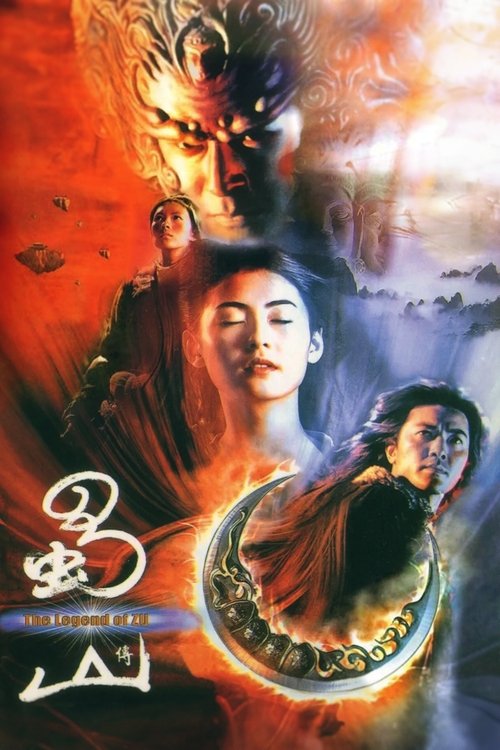
Zu Warriors
2001
No user ratings available yet
Representation score: 6.0 out of 10
Representation Score
Good
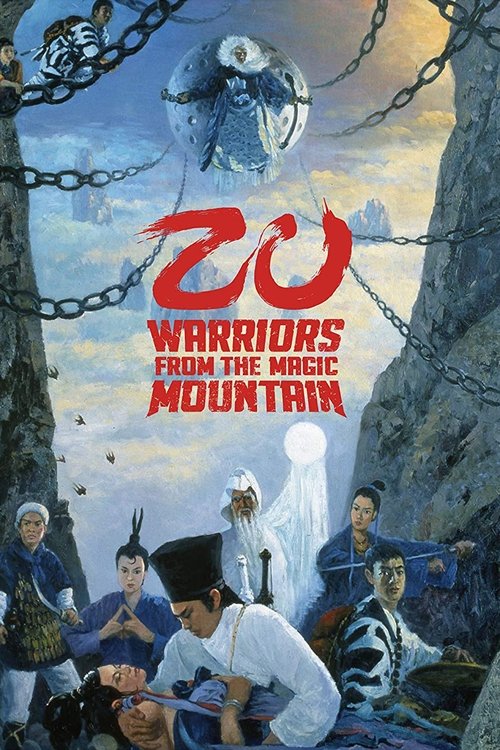
1983
UnratedDirector
Tsui Hark
Runtime
98 minutes
Average Rating
No ratings yetNew Showbiz Analysis
Tsui Hark’s landmark film stands out by challenging traditional gender roles, presenting women as powerful and skilled fighters rather than mere decorations. However, the film focuses on physical perfection, leaving little room for representing neurodivergence or visible disabilities. Additionally, there is no explicit LGBTQ+ representation, sticking to traditional structures.
Category Breakdown
The film follows traditional wuxia themes, focusing on mystical combat and spiritual journeys. There is no explicit depiction of LGBTQ+ identities or same-sex relationships.
Female martial artists challenge traditional hierarchies by showing strong physical abilities. They play key roles in driving the plot and match their male counterparts in combat skills.
Set in 5th-century Western China, the film depicts an ethnically uniform society. It avoids Western stereotypes by emphasizing a non-Anglo-Saxon cultural backdrop.
The film aligns with the Jianghu tradition, where power is based on individual merit rather than formal authority. It portrays power as fluid, tied to spiritual or martial prowess.
The film highlights the importance of physical perfection for supernatural combat. It lacks meaningful depictions of neurodivergence or visible disabilities, offering few characters with such conditions.
Present on Screen
Limited or Absent
Official Synopsis
5th century western China: As constant civil wars scars the nation, to evade death, Ti, a young scout, jumps through a crevice in the Zu mountains where he becomes entangled in a great battle against the Blood Demon, a supernatural entity seeking to wreak havoc upon the world.
2001
1991
1990
1995
1983
1994
1978

1986
No reviews yet. Be the first to share your thoughts on this movie!
Use the rating form above to leave a star rating and optional review.