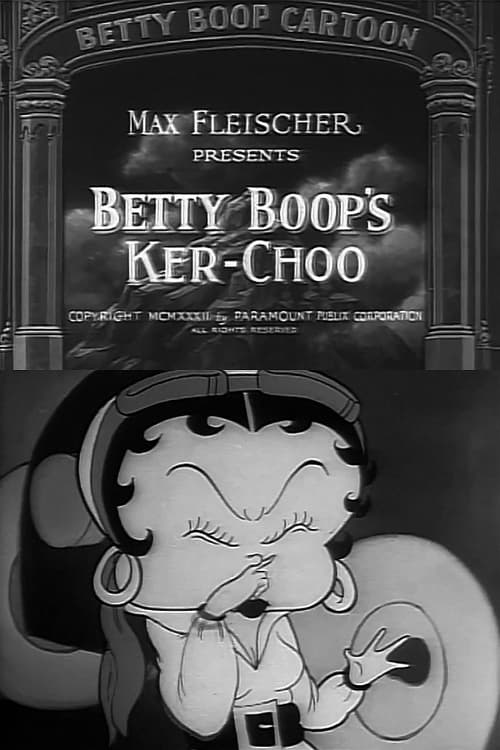
Betty Boop's Ker-Choo
1933
No user ratings available yet
Representation score: 0.4 out of 10
Representation Score
Minimal
1935
NRDirector
Dave Fleischer
Runtime
7 minutes
Average Rating
No ratings yetNew Showbiz Analysis
This 1935 short is a product of its time, prioritizing surreal whimsy and slapstick comedy over social complexity. While Betty Boop herself serves as a progressive figure of autonomy, the narrative lacks broader characters who reflect more than one aspect of diversity. The film adheres to the standard animation clichés of the mid-1930s, focusing on established characters in a conventional setting. It does not aim to disrupt social hierarchies or provide diverse perspectives. Ultimately, the work functions as pure entertainment, lacking the intentionality required for modern standards of diversity or systemic critique.
Category Breakdown
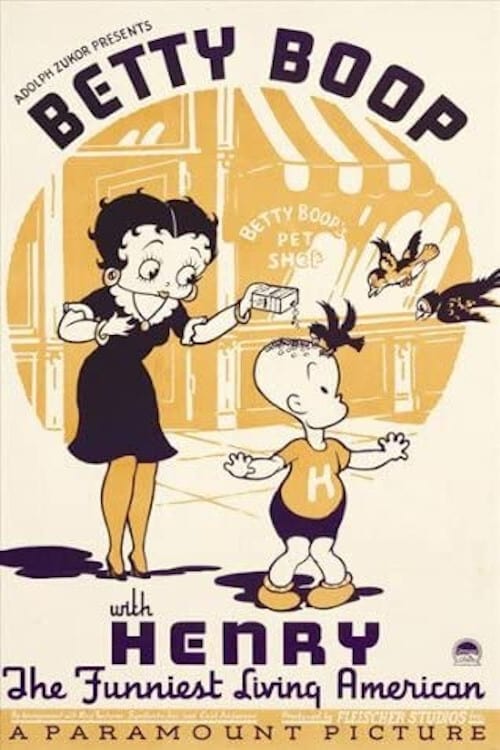
The short does not include any LGBTQ+ characters or narratives. The plot centers on the comedic interactions between Betty Boop and Henry.
Betty Boop exhibits a degree of female independence and ability to act that was progressive for the 1930s. However, the pet store setting relies on slapstick humor rather than challenging gender norms.
The animation features anthropomorphic characters in a stylized setting. It lacks a diverse, non-white cast and any intentional multi-layered racial depth.
The film prioritizes slapstick entertainment over social or religious critique. The pet store setting functions as a conventional, non-subversive commercial environment.
There is no evidence of characters with visible or invisible disabilities. No such characters are used as plot devices within the narrative.
Present on Screen
Limited or Absent
Official Synopsis
Henry, comic strip character, gets a job at Betty Boop's pet store.
1933
1937
1938
1933
1932
1933
1936
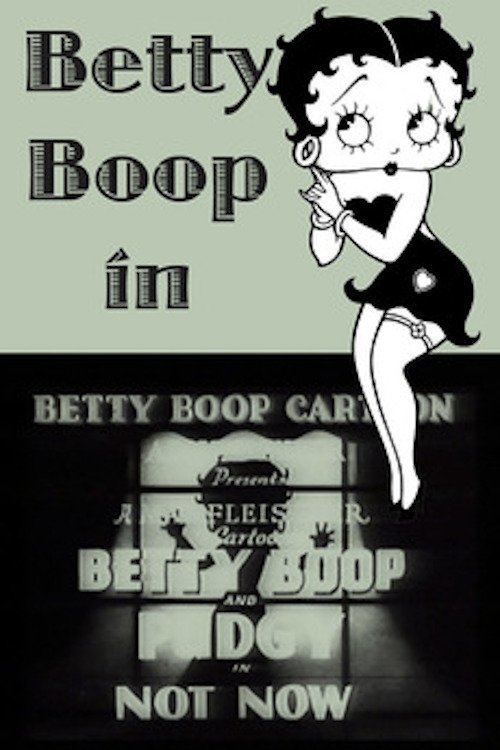
1936
No reviews yet. Be the first to share your thoughts on this movie!
Use the rating form above to leave a star rating and optional review.