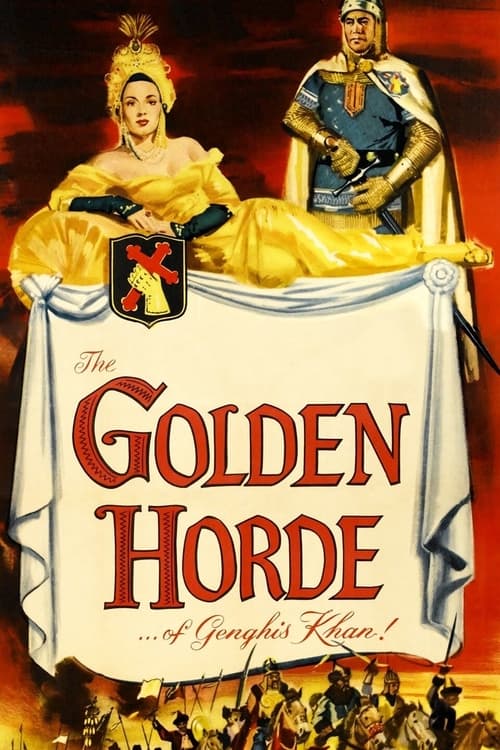
The Golden Horde
1951
No user ratings available yet
Representation score: 2.3 out of 10
Representation Score
Minimal
1950
ApprovedDirector
Henry Hathaway
Runtime
116 minutes
Average Rating
No ratings yetNew Showbiz Analysis
The film is constructed using mid-century cinematic techniques, emphasizing star power over authentic ethnic representation. Although it explores 13th-century India and China, the narrative structure remains centered around Western-centric heroism and traditional formulas. Casting choices, such as a white actress playing an Indian character, reinforce a colonial-era perspective. The story follows a standard adventure arc where the protagonists drive the physical and political progression of the plot. Ultimately, the film's attempt at cross-cultural engagement is constrained by period-specific conventions. It lacks authentic ethnic representation and maintains traditional power dynamics throughout the journey.
Category Breakdown
The film does not include any identifiable LGBTQ+ characters or stories. The romantic relationships follow traditional heterosexual norms typical of classic Hollywood films from the 1950s.
The female lead plays a key role in driving emotions, but she has little control over her own fate due to the male-dominated political stakes. The power dynamics are rooted in traditional hierarchies.
The film casts white actors in central roles, including a white actress playing an Indian character. This portrayal filters the non-Western setting through a Western lens.
The narrative presents foreign lands through a lens of discovery and external intervention. The diverse settings are interpreted through a Western storytelling perspective.
There are no significant depictions of physical or neurodivergent disabilities that affect the storyline.
Present on Screen
Limited or Absent
Official Synopsis
In the 13th century, Walter of Gurnie, a disinherited Saxon youth, is forced to flee England. With his friend, Tristram, he falls in with the army of the fierce but avuncular General Bayan, and journeys all the way to China, where both men become involved in intrigues in the court of Kublai Khan.
1951
1939
1954
1954

2007
2007
1965
1956
No reviews yet. Be the first to share your thoughts on this movie!
Use the rating form above to leave a star rating and optional review.