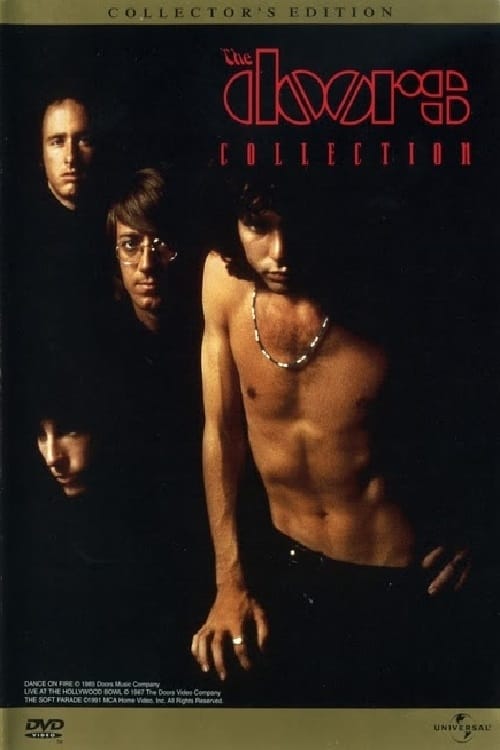
The Doors: Collection
1999
No user ratings available yet
Representation score: 5.7 out of 10
Representation Score
Fair
1991
NRDirector
Ray Manzarek
Runtime
50 minutes
Average Rating
No ratings yetNew Showbiz Analysis
This documentary serves as a crucial historical record of a transformative cultural period. It captures a moment where traditional Western values were questioned through art, setting a foundation for progressive social expression. The film's strength lies in its documentation of the disruption of 1960s social structures. By focusing on The Doors' final televised performance, it preserves the aesthetic and performative choices that challenged established norms. However, the work is limited by its historical context. As a recording of a specific 1969 event, it lacks modern representations of diverse identities and remains centered on a specific demographic ensemble.
Category Breakdown
The footage captures a time when LGBTQ visibility was growing. Though there are no direct labels, the era's performance styles naturally challenge traditional views of masculinity.
The documentary focuses on a male-dominated musical group. However, the performers' flamboyant style and emotional openness challenge the typical masculine norms of the mid-1960s.
The visuals reflect the demographics of 1969. While the main subjects are a white ensemble, the broadcast captures a period of changing racial awareness.
The work documents a time marked by anti-establishment sentiments. It highlights the dismantling of traditional Western institutions in favor of psychedelic exploration and personal moral choices.
There is no documented evidence regarding the portrayal of physical or neurodivergent disabilities within this musical performance.
Present on Screen
Limited or Absent
Official Synopsis
This historical music video features as its centrepiece The Doors' last televised appearance, aired on PBS in 1969.
1999

2021
1969
1981

2012
2010
2021

1978
No reviews yet. Be the first to share your thoughts on this movie!
Use the rating form above to leave a star rating and optional review.