
Gimme Danger
2016
No user ratings available yet
Diversity score: 5.8 out of 10
2010
RDirector
Tom DiCillo
Runtime
86 minutes
Average Rating
No ratings yetSynopsis
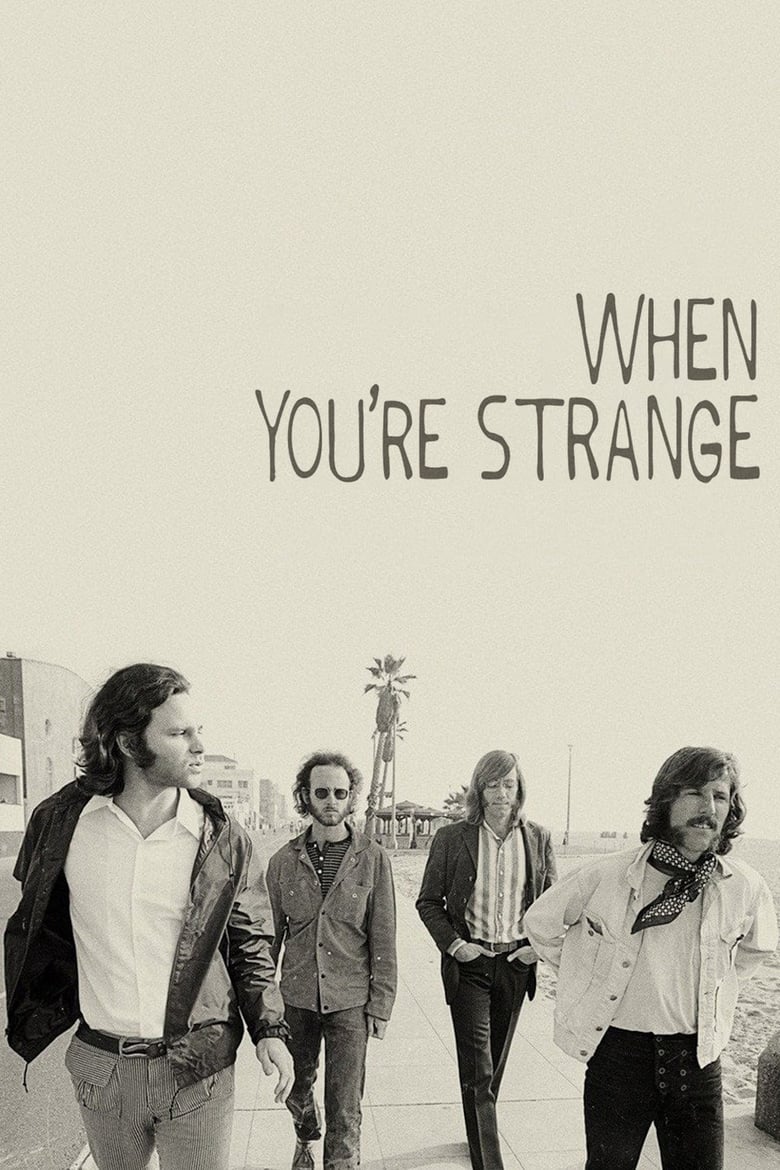
The creative chemistry of four brilliant artists —drummer John Densmore, guitarist Robby Kreiger, keyboardist Ray Manzarek and singer Jim Morrison— made The Doors one of America's most iconic and influential rock bands. Using footage shot between their formation in 1965 and Morrison's death in 1971, it follows the band from the corridors of UCLA's film school, where Manzarek and Morrison met, to the stages of sold-out arenas.
Overall Score
Fair
Category Breakdown
LGBTQ+ Representation
The film focuses on the musical evolution of the band and the 1960s counterculture. It lacks explicit queer-coded narratives or central LGBTQ+ character arcs.
Gender Representation
The narrative is centered on a male-dominated rock environment. It reflects the era's social constraints where female agency remained largely on the periphery.
Racial & Ethnic Diversity
The documentary captures a specific subculture centered on the band's white, Anglo-Saxon members. It serves as a historical record of a specific demographic movement.
Religious & Cultural Diversity
The film documents a period of significant cultural upheaval. It captures the era's rejection of mid-century social norms and traditional Western institutions.
Disability Representation
There is no discernible focus on physical or neurodivergent representation within the biographical arc of the band members.
Strengths
Areas for Improvement
AI Analysis
This documentary serves as a historical and musical archive of The Doors, capturing their journey from UCLA to global stardom. Because it documents a specific mid-century phenomenon, the content is naturally shaped by the era's social structures. The film prioritizes the interpersonal complexities and professional evolution of the four band members. While it captures the spirit of the 1960s counterculture, it does not attempt to apply contemporary intersectional frameworks or critiques of identity politics. Ultimately, the work is a product of its subject matter. It provides a window into a male-centric musical movement rather than an intentional exploration of diverse social identities.
2016
2013
2005
2016
2010
2008
2008
2011
2018

2004
2015
No reviews yet. Be the first to share your thoughts on this movie!
Use the rating form above to leave a star rating and optional review.