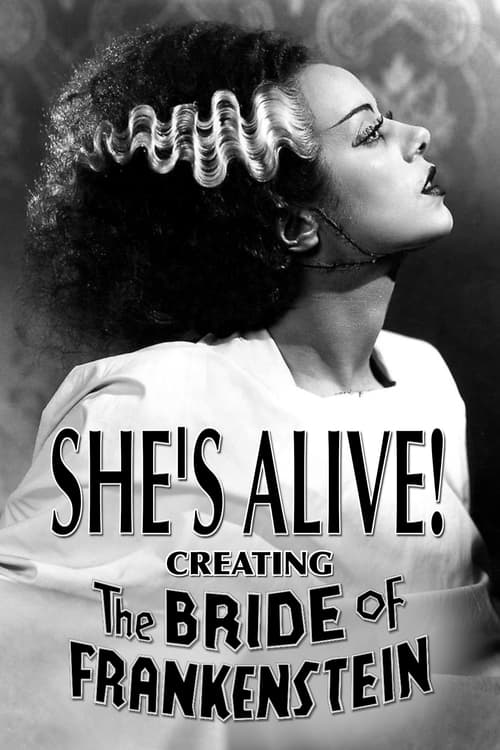
She's Alive! Creating 'The Bride of Frankenstein'
1999
No user ratings available yet
Representation score: 6.2 out of 10
Representation Score
Limited
1999
Director
David J. Skal
Runtime
35 minutes
Average Rating
No ratings yetNew Showbiz Analysis
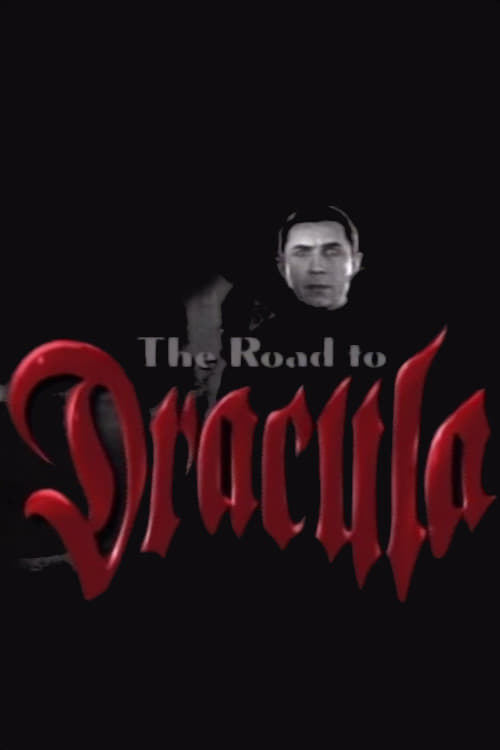
The Road to 'Dracula' serves as a specialized historical retrospective rather than a tool for social progress. It excels at deconstructing the subtextual and cultural anxieties that shaped early horror cinema, providing an intellectual look at how the vampire became a cultural icon. However, the film is constrained by its subject matter. Because it documents the 1930s studio system, it remains tethered to the era's lack of racial and gender diversity. The narrative structure centers on male figures and traditional genre clichés. Ultimately, the documentary provides depth regarding cinematic lineage and subtextual themes, but it does not actively promote progressive demographic representation, resulting in a traditional demographic focus.
Category Breakdown
The film explores the allure and repressed desires associated with the original Dracula mythos. However, it lacks contemporary queer protagonists or explicit narratives focused on LGBTQ+ identities.
The narrative emphasizes a male-centric history of the Universal Monsters era and Bela Lugosi's appeal. Female characters are portrayed primarily through the lens of genre clichés rather than through their own choices.
Reflecting the 1930s studio system, the documentary focuses on a homogeneous casting tradition. It offers little disruption to Anglo-centric narratives and does not showcase diverse representation.
The documentary views the Dracula mythos as a product of cultural anxieties. It treats the monster as a complex figure shaped by social pressures rather than a moral absolute.
There is no discernible focus on disability, neurodivergence, or chronic illness. The film does not utilize disability as a narrative device or character trait.
Present on Screen
Limited or Absent
Official Synopsis
A documentary from Universal about the movie "Dracula" (1931) starring Bela Lugosi.
1999
2014
1999
1936
2007
2019
2006

2000
No reviews yet. Be the first to share your thoughts on this movie!
Use the rating form above to leave a star rating and optional review.