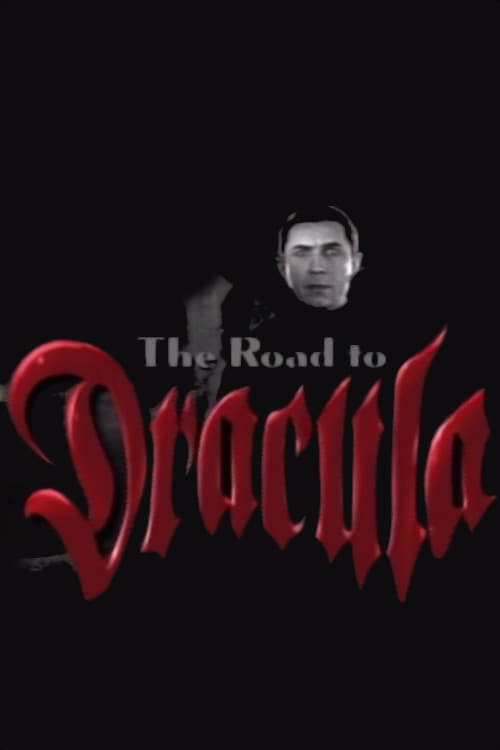
The Road to 'Dracula'
1999
No user ratings available yet
Representation score: 3.8 out of 10
Representation Score
Limited
1999
Director
David J. Skal
Runtime
33 minutes
Average Rating
No ratings yetNew Showbiz Analysis
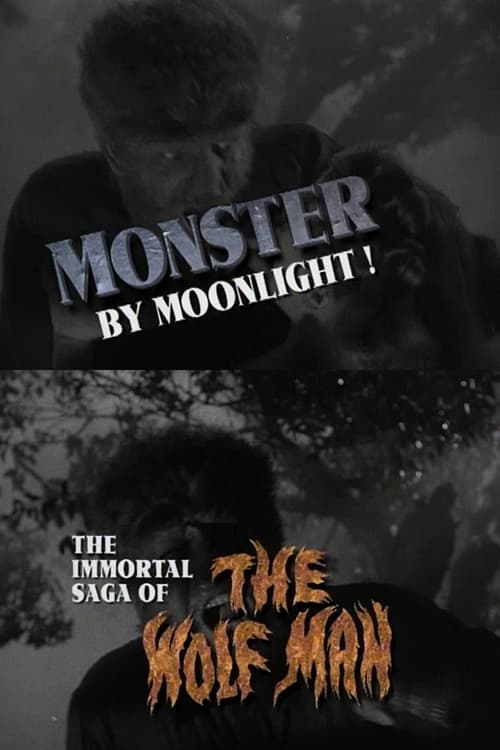
Monster by Moonlight! serves as a specialized historical survey of a specific cinematic era, focusing on technical mastery and genre evolution. Its low diversity score reflects its focus on a historically homogenous period of media. Because the subject matter is rooted in the 1940s, the film naturally mirrors the lack of representation found in that era's Hollywood productions.
Category Breakdown
The documentary explores the technical and narrative history of Universal Studios' werewolf cycle but does not include explicit LGBTQ+ character arcs or critiques of heteronormativity.
The film focuses on the male-dominated era of classic Universal horror, highlighting male creators and performers like Lon Chaney, Jr., but does not center on female roles.
This retrospective covers a period of significant Hollywood homogeneity, rooted in a Western, Anglo-centric cinematic tradition with limited non-white perspectives.
The film celebrates the craftsmanship and legacy of established Hollywood institutions, prioritizing Western cinematic heritage and traditional genre storytelling over diverse cultural perspectives.
There is no evidence regarding the portrayal of neurodivergence or physical disabilities. The film does not feature these as central themes or character arcs.
Present on Screen
Limited or Absent
Official Synopsis
Starting with "The Wolf Man" (in 1941), Universal Studios made five movies featuring The Wolf Man, a character portrayed by Lon Chaney, Jr. Monster by Moonlight! explores these movies. Rick Baker explains how the make-up was done on Chaney's character. Screenwriter Curtis Siodmak took very little from earlier werewolf legends, providing his own story for some of the films. This documentary displays clips from several other movies, including "Abbott & Costello Meet Frankenstein" (1948) and "House of Dracula" (1945).
1999
2014
2000
2019

1999
1999
1995
2008
No reviews yet. Be the first to share your thoughts on this movie!
Use the rating form above to leave a star rating and optional review.