Slipstream
2007
No user ratings available yet
Representation score: 4.0 out of 10
Representation Score
Good
2024
Director
Michael Lockshin
Runtime
157 minutes
Average Rating
No ratings yetNew Showbiz Analysis
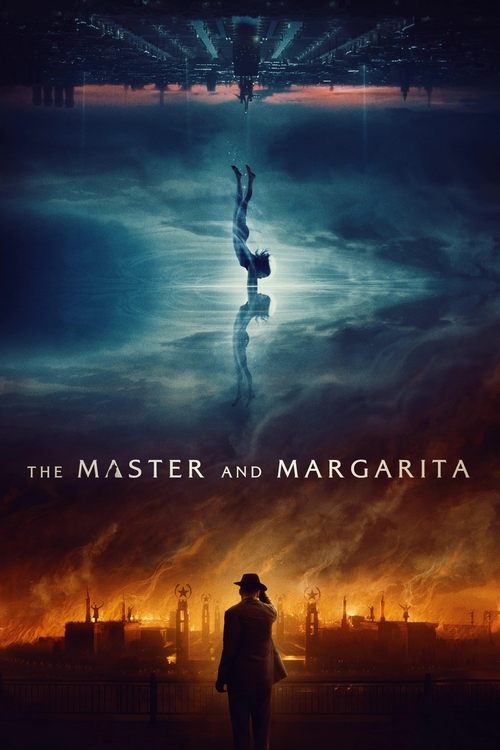
This film is an intricate critique of state authority, focusing more on subverting oppressive systems than on broad demographic representation. It excels in using magical realism to challenge systemic corruption and the suppression of truth. Despite maintaining historical accuracy with a predominantly white cast, the film lacks significant LGBTQ+ or racial diversity. The narrative centers around the central romantic couple and their fight against institutional oppression. Overall, the work effectively critiques power structures, although it uses mental instability more as a narrative device than a nuanced exploration of disability.
Category Breakdown
The film focuses on the romantic relationship between the Master and Margarita. It does not include explicit representations of non-binary genders or same-sex intimacy, sticking to conventional romantic storylines.
Margarita challenges traditional passive roles for women by playing a key role in driving the plot. She uses supernatural powers to help the Master, showing strong ability to act and disrupting expected gender roles.
The cast is mainly white, fitting the historical context of 1930s Moscow. The film stays true to its period without incorporating diverse casting to update the setting.
The story provides a sophisticated look at the oppressive Soviet system. It emphasizes metaphysical truths over state ideology and explores complex moral and power dynamics through the Yeshua and Pilate subplot.
The Master's psychological struggles and mental instability serve as narrative devices to explore his psyche. These elements do not provide a nuanced or ability to act-driven portrayal of neurodivergence.
Present on Screen
Limited or Absent
Official Synopsis
A struggling writer in 1930s Soviet Moscow finds his life transformed when a mysterious professor arrives with his bizarre entourage, including a wisecracking trickster, a deadly assassin, a vampire maid, and a giant talking black cat, turning the city upside down while exposing the hypocrisy of those in power.
2007
1974
1987

2011

2011
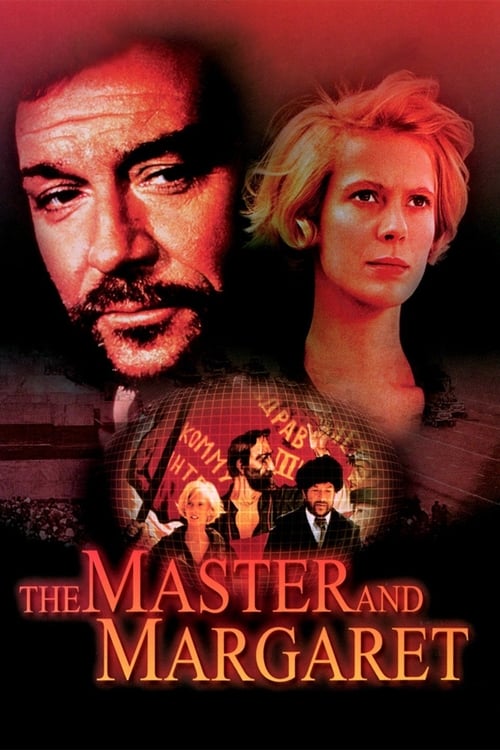
1972
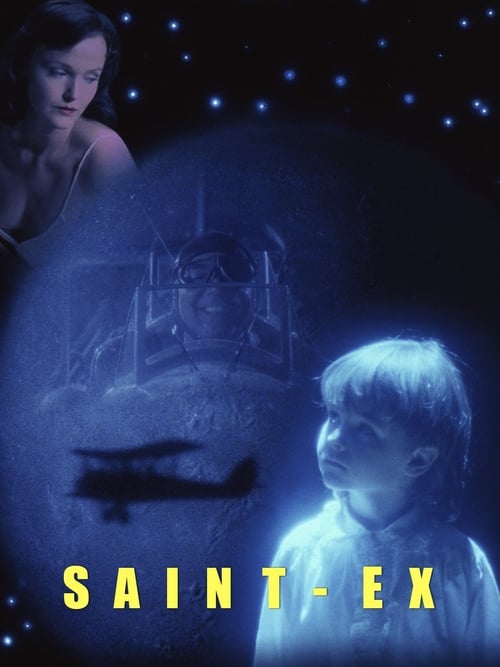
1996
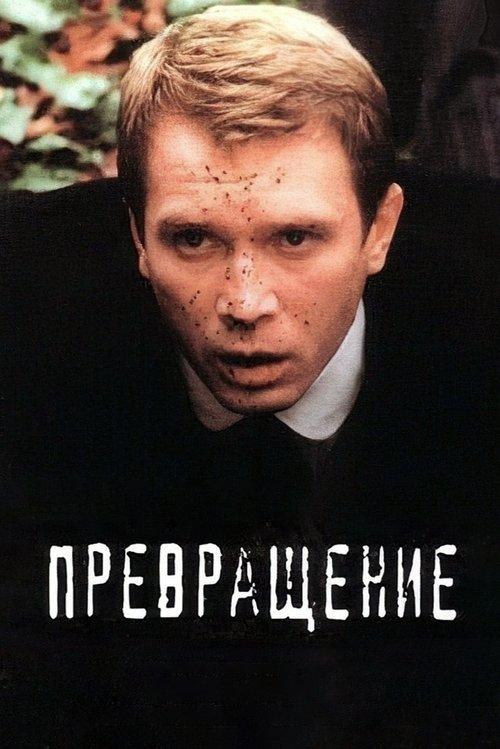
2002
No reviews yet. Be the first to share your thoughts on this movie!
Use the rating form above to leave a star rating and optional review.