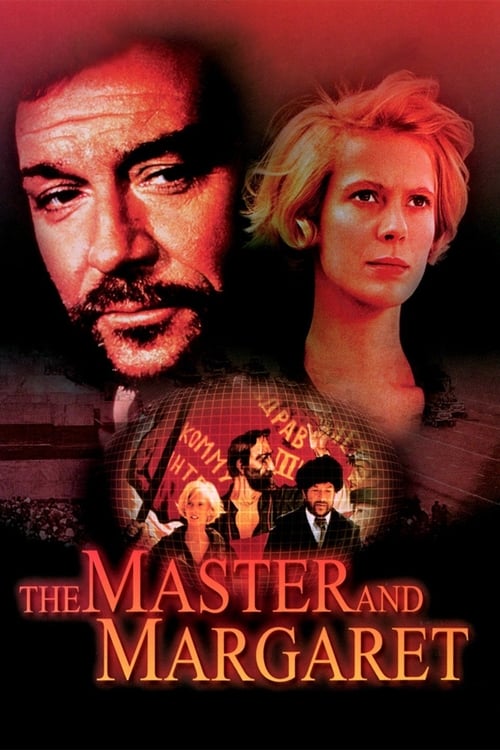
The Master and Margarita
1972
No user ratings available yet
Representation score: 8.0 out of 10

Representation Score
Good
2011
Director
Yuriy Kara
Runtime
128 minutes
Average Rating
No ratings yetNew Showbiz Analysis
The film stands out for its intellectual and structural subversion of authority. It elevates women's ability to drive the story through Margarita, who acts as a powerful, decisive force rather than a passive observer. This provides a strong narrative counterweight to the oppressive Soviet setting. However, the film's demographic range is limited. It adheres to the historical homogeneity of its 1930s Moscow setting, resulting in low scores for LGBTQ+ and racial/ethnic representation. The focus remains strictly on the central romantic and political conflicts. Ultimately, the work prioritizes thematic depth over demographic breadth. It challenges systemic hierarchies and state-mandated morality, offering a progressive deconstruction of power while maintaining traditional social identities.
Category Breakdown
The story centers on a traditional romance between the Master and Margarita. It lacks explicit depictions of same-sex relationships or non-binary gender identities, staying within conventional romantic frameworks.
Margarita is the main driver of the story. She challenges the damsel in distress cliché by using her influence to protect the Master and transform their situation.
Set in 1930s Moscow, the cast reflects the historical homogeneity of the time. The film focuses on class and political issues rather than racial or ethnic diversity.
The film offers a sophisticated critique of totalitarian authority and state bureaucracy. It uses supernatural elements to expose institutional hypocrisy and explores religious figures through psychological complexity.
The Master's psychological struggles are shown as symptoms of political oppression. While mental health is explored, it is not examined specifically as a study of neurodivergence.
Present on Screen
Limited or Absent
Official Synopsis
The Master is a talented writer in Moscow working on a manuscript about Jesus and Pontius Pilate. The Moscow authorities are harassing Master by surveillance and intimidation. His assistant and muse, Margarita, tries to help the Master through the supernatural powers she got from the devil, Woland, who is visiting Moscow.
1972
1948
1999
2024
1926
2011
No reviews yet. Be the first to share your thoughts on this movie!
Use the rating form above to leave a star rating and optional review.