
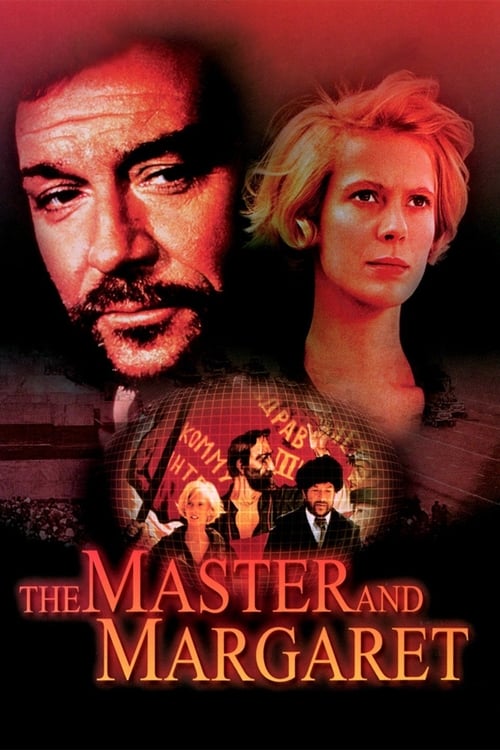
The Master and Margarita
2011
No user ratings available yet
Representation score: 7.3 out of 10
Representation Score
Good
1972
Director
Aleksandar Petrović
Runtime
95 minutes
Average Rating
No ratings yetNew Showbiz Analysis
Aleksandar Petrović’s film is a sophisticated deconstruction of power, focusing on intellectual subversion rather than demographic variety. It excels in portraying female empowerment and critiquing institutional dogma. While it lacks contemporary LGBTQ+ or racial the way different parts of someone's identity overlap, it explores individual morality against oppressive systems through supernatural elements.
Category Breakdown
The story centers on the romantic bond between the Master and Margarita. There are no explicit representations of non-straight identities or queer-coded subplots.
Margarita is a powerful character who actively navigates supernatural realms to free the Master. She is not passive and plays a significant role in the story.
The film is set in 1930s Moscow and ancient Jerusalem. Representation is based on these historical settings and does not specifically aim for diverse racial portrayals.
The film critiques centralized authority and state-mandated ideology using supernatural elements to highlight hypocrisy and corruption in rigid social and religious orders.
The Master's descent into paranoia and institutionalization highlights mental health struggles. This portrayal uses his vulnerability to critique the cruelty of state surveillance.
Present on Screen
Limited or Absent
Official Synopsis
Maestro Nikolai Masoudov, a talented writer, and his assistant Margaret, are working on a biblical story of Pontius Pilate. The Satan — Woland, and his lieutenants, are harassing Master by surveillance, by killing his friend, and sending another friend to Gulag prison in Siberia. Victimized by their harassment, Master becomes paranoid, and is locked up in a mental institution. Margaret is trying to save him regardless of the danger.
2011
2024
1972
1951
1967
No reviews yet. Be the first to share your thoughts on this movie!
Use the rating form above to leave a star rating and optional review.