Memoirs of a Sinner
1986
No user ratings available yet
Representation score: 5.6 out of 10
Representation Score
Good
1987
Director
Daniel Schmid
Runtime
97 minutes
Average Rating
No ratings yetNew Showbiz Analysis
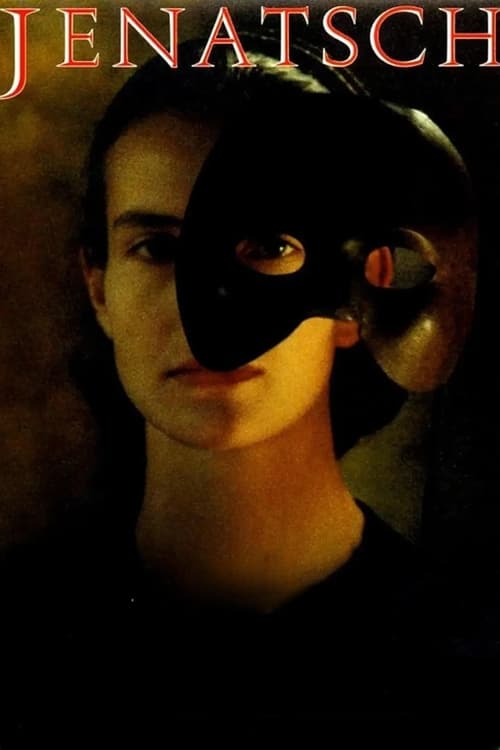
Jenatsch is a psychological deconstruction of historical myth rather than a study in demographic diversity. It prioritizes the intellectual disruption of nationalistic narratives over contemporary identity politics. The film's strength lies in its ability to challenge established heroic archetypes and the sanctity of historical truth. It uses a surrealist lens to dismantle the idealized image of a revered freedom fighter. However, the film remains limited by its historical setting and male-centric focus. It lacks visible representation of diverse racial, ethnic, or LGBTQ+ identities, staying rooted in a specific European context.
Category Breakdown
The film does not include any explicit LGBTQ+ characters or representations of non-straight relationships. The story focuses primarily on the protagonist's psychological decline and a historical mystery.
The story centers around male figures, including the journalist and the historical Jenatsch. However, it challenges traditional masculine stereotypes by showing the protagonist's loss of stability and reality.
The 17th-century Swiss setting implies a homogeneous population typical of that time. There is no indication of multi-ethnic representation or race-bent casting within the narrative.
The film provides a sophisticated critique of national myths and patriotism. It breaks down the idealized image of a Western hero to explore subjective morality and institutional corruption.
The film explores themes of mental instability and cognitive confusion. The protagonist's obsessive pursuit of truth highlights the psychological breakdown and fragmented reality.
Present on Screen
Limited or Absent
Official Synopsis
A journalist is assigned to interview an eccentric anthropologist who has exhumed the skeleton of Jörg Jenatsch, a revered freedom fighter who was mysteriously murdered in 1639. Initially disinterested, the journalist begins to uncover unflattering truths about the national hero and experiences visions in which he seems to be witnessing events that transpired over 300 years ago. As he obsessively pursues the investigation, his personal life and his grip on reality disintegrate, drawing him relentlessly toward the fatal carnival at which Jenatsch was killed.
1986
1973
2007

2011

1988
2018

1986

2016
No reviews yet. Be the first to share your thoughts on this movie!
Use the rating form above to leave a star rating and optional review.