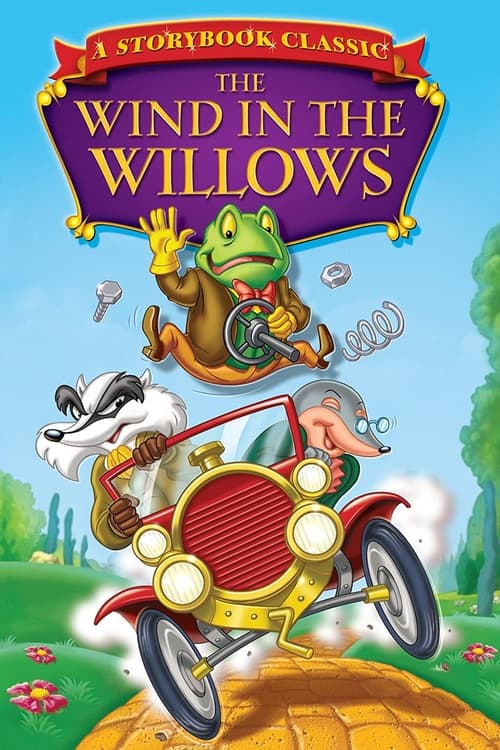
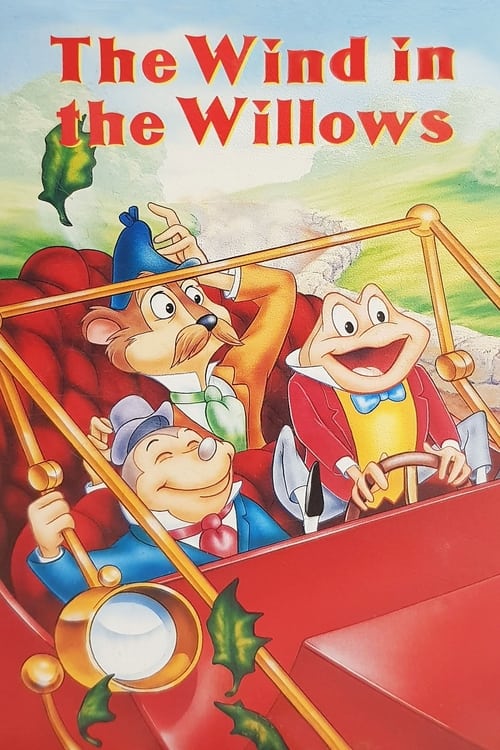
Wind in the Willows
1988
No user ratings available yet
Representation score: 0.6 out of 10
Representation Score
Minimal
1949
GDirector
James Algar
Runtime
34 minutes
Average Rating
No ratings yetNew Showbiz Analysis
This 1949 Disney classic exemplifies mid-century traditional storytelling. The narrative centers on a homogeneous, patriarchal framework that emphasizes established social norms. The film lacks complexity in representing diverse identities, focusing instead on a narrow worldview. It underscores the stability of the English countryside and the importance of adhering to community standards. Overall, the work upholds traditional Western values without challenging them, presenting a world where character flaws are corrected to restore social order.
Category Breakdown
The film focuses on male characters without including any non-traditional gender identities or same-sex relationships.
The cast consists entirely of male characters, such as Mole, Ratty, Badger, and Mr. Toad. Female characters are not present, emphasizing a male-dominated environment.
The story uses anthropomorphic animals set in a rural English landscape. It does not include human racial or ethnic diversity or multi-ethnic representation.
The narrative highlights traditional Western pastoral aesthetics and social norms. It upholds a conservative moral framework centered around restoring social order.
The film does not depict any visible or invisible disabilities. Characters are shown as physically capable within their animal roles without addressing neurodiversity.
Present on Screen
Limited or Absent
Official Synopsis
This animated fairy tale for kids tells the classic story of a dapper, automobile loving fellow named Mr. Toad, whose passion becomes a problem when he's framed for stealing cars by a band of rogue weasels.
1988
1950
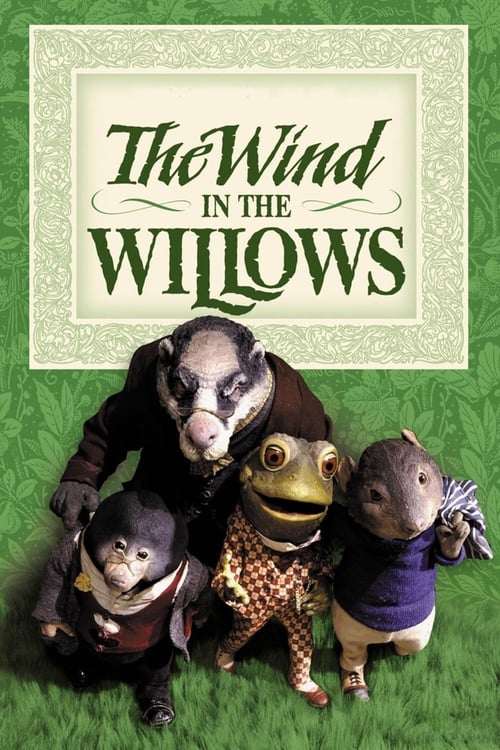
1983
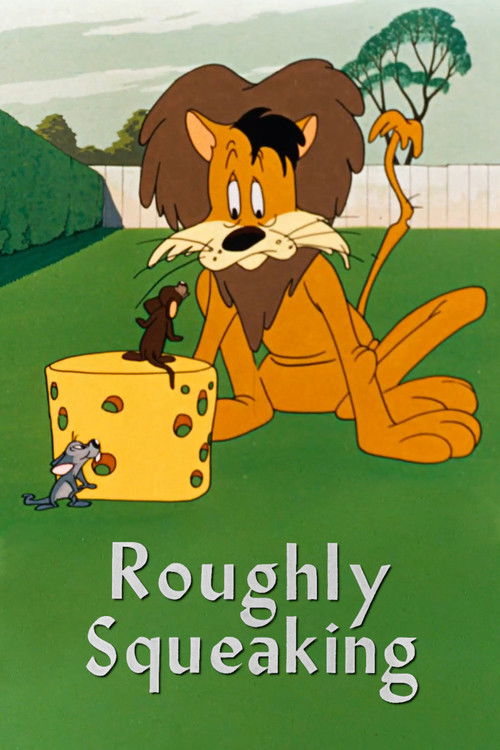
1946
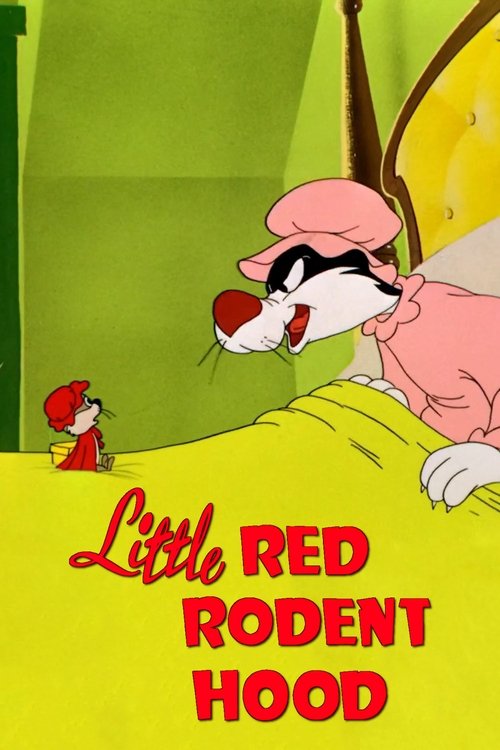
1952
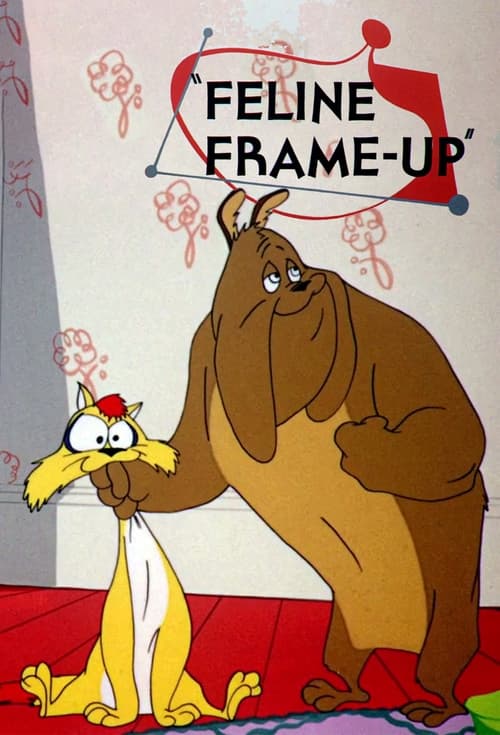
1954
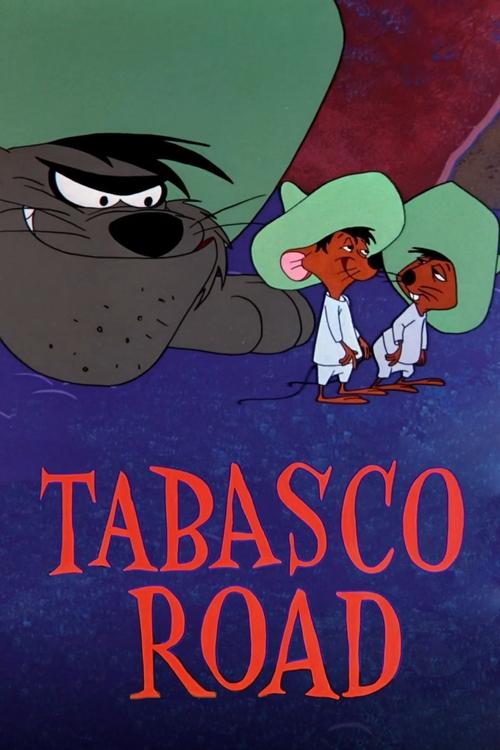
1957
1957
No reviews yet. Be the first to share your thoughts on this movie!
Use the rating form above to leave a star rating and optional review.