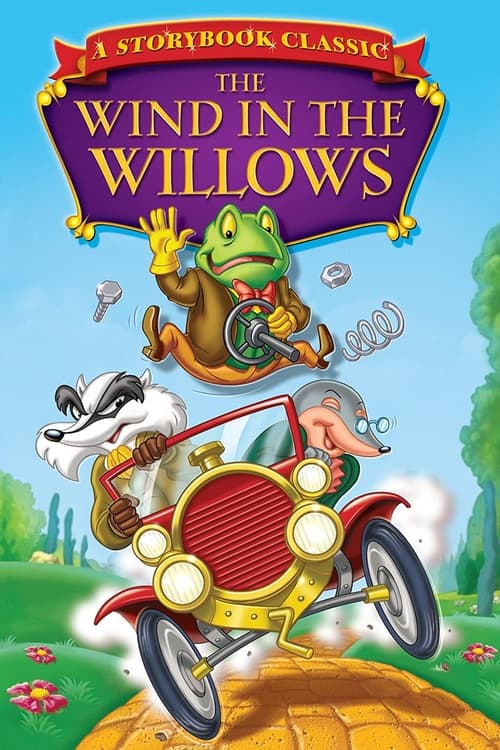
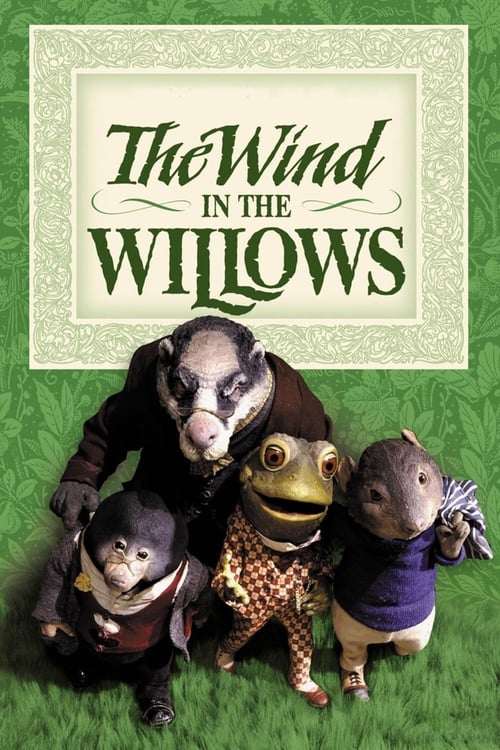
Wind in the Willows
1988
No user ratings available yet
Representation score: 0.6 out of 10
Representation Score
Minimal
1983
TV-GDirector
Mark Hall, Chris Taylor
Runtime
78 minutes
Average Rating
No ratings yetNew Showbiz Analysis
This adaptation of Kenneth Grahame’s classic remains deeply rooted in traditional pastoral archetypes. The narrative structure prioritizes established literary clichés and social hierarchies, offering a very conventional viewing experience. The character dynamics are almost entirely male-driven, focusing on platonic brotherhood and communal problem-solving. This creates a narrow social ecosystem that lacks diverse perspectives and ability to act. Ultimately, the film emphasizes social decorum and the restoration of traditional order rather than challenging existing social or cultural structures.
Category Breakdown
The story centers around male characters without any representation of LGBTQ+ identities or same-sex relationships.
Male characters like Mole and Rat take center stage, while female characters play minor roles.
The setting is a homogeneous English countryside with a cast that reflects a singular, culturally specific Western identity without ethnic diversity.
The narrative upholds social order and the authority of the magistrate, emphasizing traditional property and social stability.
There are no characters with disabilities, and physical struggles are shown as consequences of conflict rather than explorations of disability.
Present on Screen
Limited or Absent
Official Synopsis
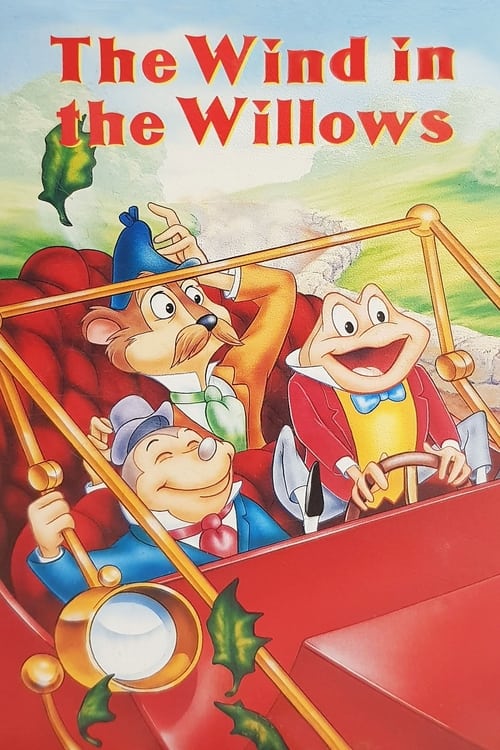
One spring, Mole decides that he can ignore the spring cleaning for a little longer, and begins a series of adventures with his new friend Rat. They go for a picnic on the riverbank, on a caravan expedition with Toad, until Toad switches allegiance to his new car and his reckless driving makes Mole and Rat search out Badger for help in curbing Toad's profligate habits. But Toad gets away from them and gets a 20-year sentence from the magistrate for theft, reckless driving, and Gross Impertinence. While Toad works his wiles on the jailer's daughter and escapes jail dressed as a washer woman, Badger tries to guard Toad Hall from the machinations of the Weasels and is badly beaten. And it requires a plan of attack and all four comrades to regain Toad Hall.
1988
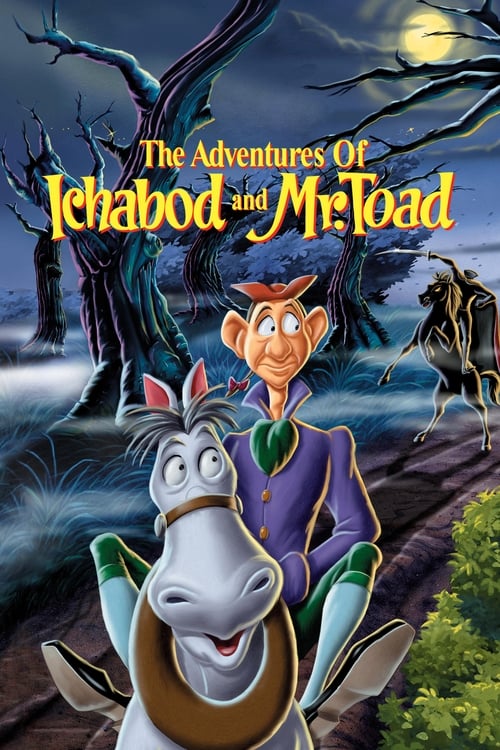
1949
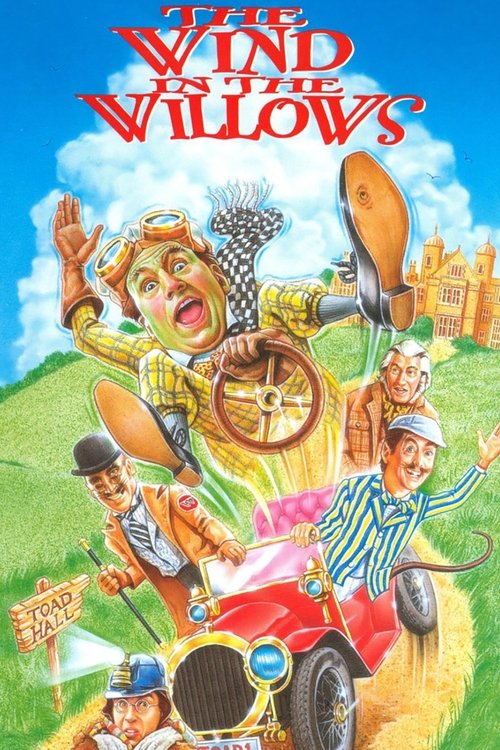
1996

1993
1949
1970
1983
1967
No reviews yet. Be the first to share your thoughts on this movie!
Use the rating form above to leave a star rating and optional review.