
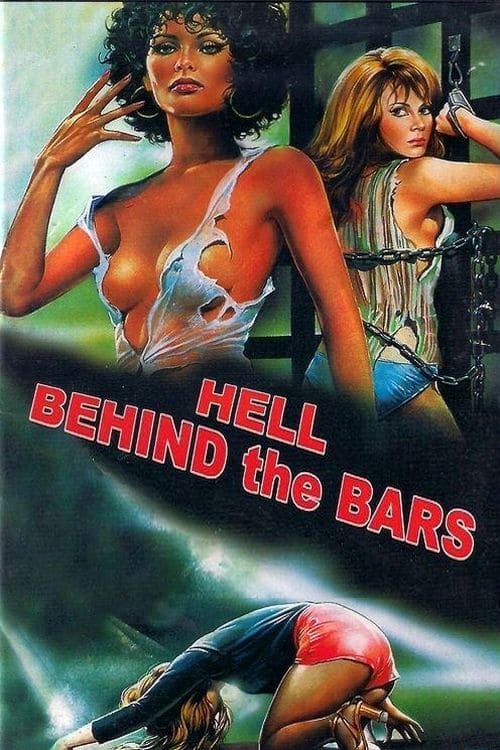
Hell Penitentiary
1984
No user ratings available yet
Representation score: 5.8 out of 10
Representation Score
Good
1984
Director
Gianni Siragusa
Runtime
82 minutes
Average Rating
No ratings yetNew Showbiz Analysis
Hell Behind the Bars uses the exploitation genre to explore complex power dynamics and social hierarchies. By focusing on women's ability to drive the story and the subversion of institutional authority, the film moves beyond typical mid-80s drama clichés. The film's strength lies in its gendered power struggles and the way it integrates non-traditional identity markers to drive conflict. The protagonist is a morally complex figure whose struggle against a corrupt system provides a unique lens on situational ethics. However, the depth of racial and ethnic roles is limited by the film's reliance on exploitation clichés. Additionally, there is no visible representation of physical or neurodivergent disabilities within the cast or story.
Category Breakdown
The film focuses on a power struggle involving a sadistic lesbian warden. This portrayal of non-straight identity as a source of institutional authority challenges traditional hierarchies within the prison setting.
Women play key roles of dominance and ability to act throughout the narrative. The protagonist demonstrates high intellect and strategic independence, effectively shifting the focus away from a male-centric viewpoint.
The credited cast includes Ajita Wilson, indicating racial integration within the ensemble. This suggests a move away from homogeneous casting within this high-stakes genre environment.
The story examines moral relativism by depicting the prison system as a site of corruption and sadism. This anti-institutional stance invites viewers to align with a complex, non-traditional protagonist.
There is no explicit evidence regarding the portrayal of physical or neurodivergent disabilities in the film.
Present on Screen
Limited or Absent
Official Synopsis
A woman murders her boyfriends and steals some diamonds he has smuggled. She gets found out though, and locked in a prison with an evil sadistic lesbian warden. She immediately sets about planning her escape with some of her fellow inmates, but the plans are even more difficult than they seemed when set in motion.
1984
1972

1982
1972

1971
1974

1986
1971
No reviews yet. Be the first to share your thoughts on this movie!
Use the rating form above to leave a star rating and optional review.