
The Big Doll House
1971
No user ratings available yet
Representation score: 7.9 out of 10

Representation Score
Good
1981
Director
Leung Pasan
Runtime
82 minutes
Average Rating
No ratings yetNew Showbiz Analysis
Anger (1981) stands out for its subversion of traditional action clichés by placing women's ability to drive the story at the heart of its conflict. Instead of depicting the captives as helpless, the film shows them as the primary architects of their own liberation through active rebellion. The film also uses racialized power dynamics to critique exploitation, framing the struggle against a gang of white slavers. This provides a framework for analyzing systemic hierarchies and institutional corruption. However, the film lacks visibility regarding LGBTQ+ identities and disability representation, leaving these aspects of diversity unaddressed within the narrative.
Category Breakdown
The film does not include any explicit representation of LGBTQ+ identities or same-sex relationships. The narrative focuses on the struggle against systemic exploitation.
The story disrupts traditional gender roles by centering the plot on the actions of three female protagonists. They actively drive the central conflict through a rebellion rather than being passive victims.
The film uses racialized power dynamics to frame the struggle between the female captives and a gang of white slavers. This setup critiques colonial or racialized exploitation.
The narrative engages with themes of systemic corruption and the subversion of social order. It prioritizes collective liberation over the preservation of existing institutional hierarchies.
There is no documented evidence regarding the inclusion of characters with physical or neurodivergent disabilities.
Present on Screen
Limited or Absent
Official Synopsis
Three women captured and imprisoned by a gang of white slavers lead a bloody rebellion, aided by a detective investigating the gang.
1971
1972
1972
1972
1981
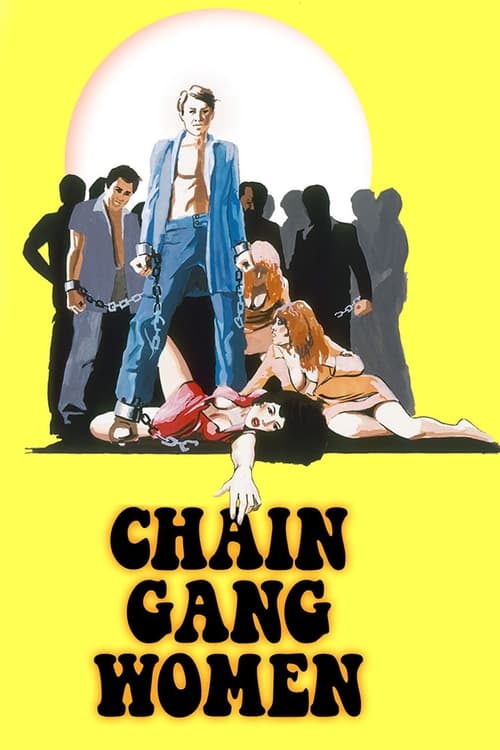
1971

1986

1993
No reviews yet. Be the first to share your thoughts on this movie!
Use the rating form above to leave a star rating and optional review.