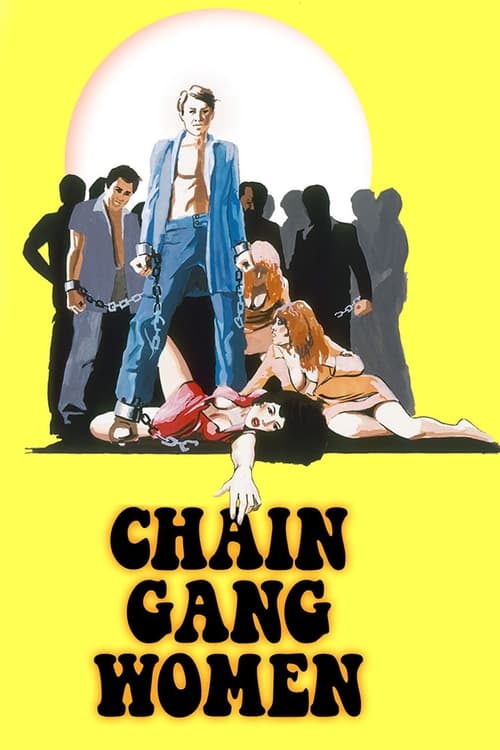
Chain Gang Women
1971
No user ratings available yet
Representation score: 4.1 out of 10

Representation Score
Good
1971
RDirector
Jack Hill
Runtime
95 minutes
Average Rating
No ratings yetNew Showbiz Analysis
Jack Hill’s direction highlights female empowerment within an intense, action-packed framework. The film effectively overturns traditional gender roles by putting women in positions of high-stakes decision-making and physical skill. While the film excels in gender subversion and presents a diverse, multi-ethnic cast, it lacks LGBTQ+ identities and disability representation. The narrative emphasizes physical capability, limiting character diversity. Overall, the film challenges the established cinematic norms by presenting a gritty, situational realism that questions traditional moral hierarchies.
Category Breakdown
The film doesn't prominently feature LGBTQ+ identities or show same-sex intimacy. Female relationships focus on survival and friendship rather than queer identity.
An all-female cast drives the action, replacing male leadership with female combat skills and strategic thinking. This challenges traditional views of passive women.
Set in a Philippine prison, the film showcases a diverse, multi-ethnic cast. It avoids the uniformity often found in Western films by showing a non-Anglo-centric setting.
The story criticizes corrupt institutions and favors moral flexibility. Main characters resist oppressive systems, focusing on personal freedom over traditional social structures.
The film doesn’t meaningfully portray disabilities. Characters are defined by their ability to physically engage in the action.
Present on Screen
Limited or Absent
Official Synopsis
Female prisoners in a Philippine jail are being subjected to sadistic torture. Five of the women, along with the help of two men, plot an escape.
1971
1972
1974
1972

1984

1982
1981

1986
No reviews yet. Be the first to share your thoughts on this movie!
Use the rating form above to leave a star rating and optional review.