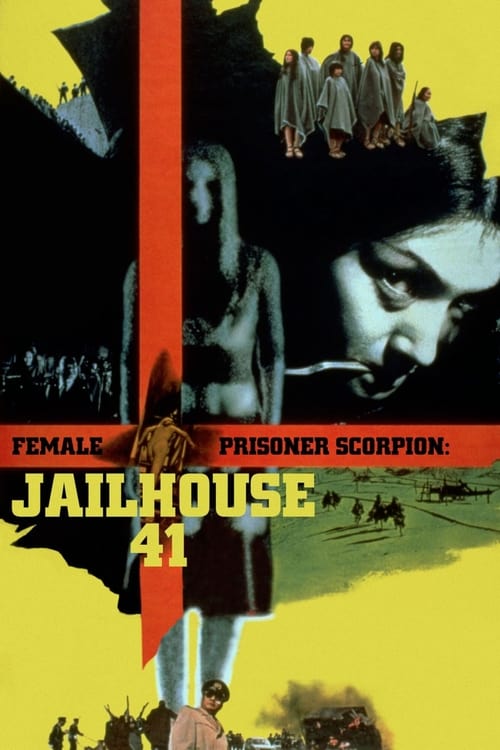
Female Prisoner Scorpion: Jailhouse 41
1972
No user ratings available yet
Representation score: 7.7 out of 10

Representation Score
Fair
1975
Director
Kōyū Ohara
Runtime
70 minutes
Average Rating
No ratings yetNew Showbiz Analysis
The film stands out through a strong subversion of gendered expectations. By centering on a hardened female protagonist who resists both state and criminal hierarchies, it provides a level of ability to act rarely seen in traditional domestic dramas of the era. However, the production is limited by its era-specific homogeneity. The lack of LGBTQ+ representation and ethnic diversity keeps the overall score in a moderate range, as the narrative stays within a specific cultural and straight-centered framework. Ultimately, the film's strength lies in its character-driven rebellion against oppressive structures, even if it lacks broader multi-layered variety.
Category Breakdown
The film lacks visible evidence of non-straight relationships or same-sex intimacy. The narrative focus remains centered on power dynamics between female inmates and criminal elements.
Mayumi serves as a powerful protagonist who exerts dominance through violence and resistance. She challenges traditional feminine archetypes by rejecting submissive roles in favor of physical autonomy.
The cast and setting are ethnically homogeneous, reflecting the standard for 1975 Japanese domestic cinema. There is no intentional cross-cultural blending present in the production.
The story critiques institutional stability by portraying the prison system as a site of corruption. It prioritizes individual rebellion and subjective morality over traditional social order.
There is no evidence regarding the portrayal of physical or neurodivergent disabilities within the narrative.
Present on Screen
Limited or Absent
Official Synopsis
"Jealous" man-killer Mayumi (Hitomi Kozue) is sent back into solitary confinement after being re-arrested for the murder of the doctor who fingered her for a botched surgery. After emerging from solitary confinement to find an all-new gang of bullies picking on a meek, young female prisoner, Mayumi is now a much harder soul who takes no attitude from anyone, and she turns savage when the poor girl is enslaved by Yakuza.
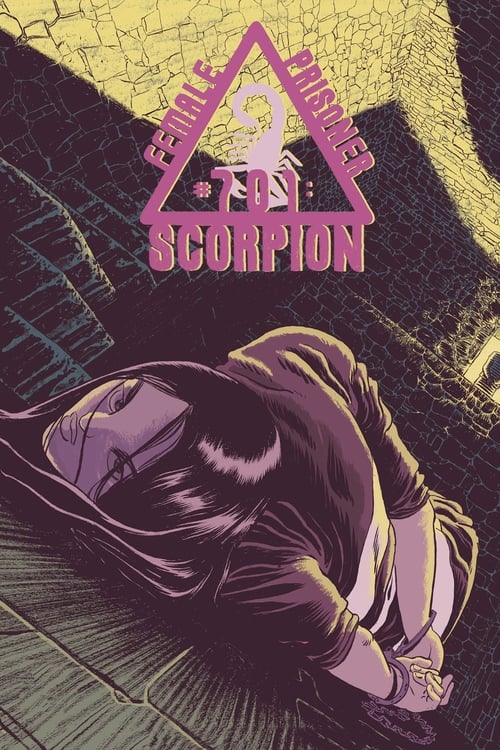
1972
1972

1976
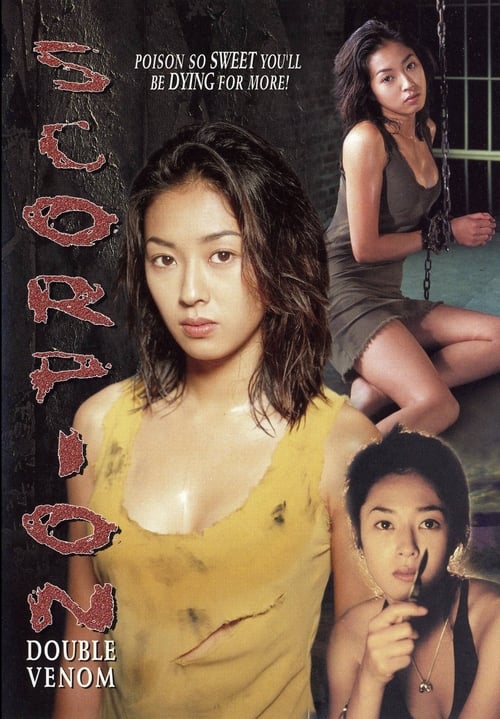
1998

1975

1977
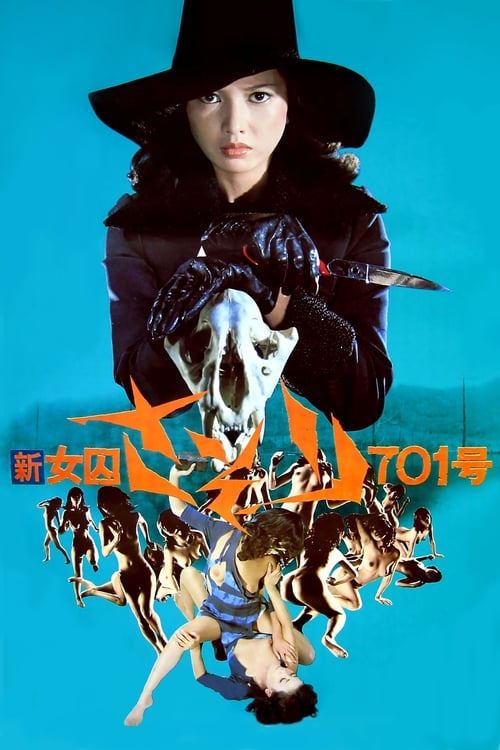
1976
1976
No reviews yet. Be the first to share your thoughts on this movie!
Use the rating form above to leave a star rating and optional review.