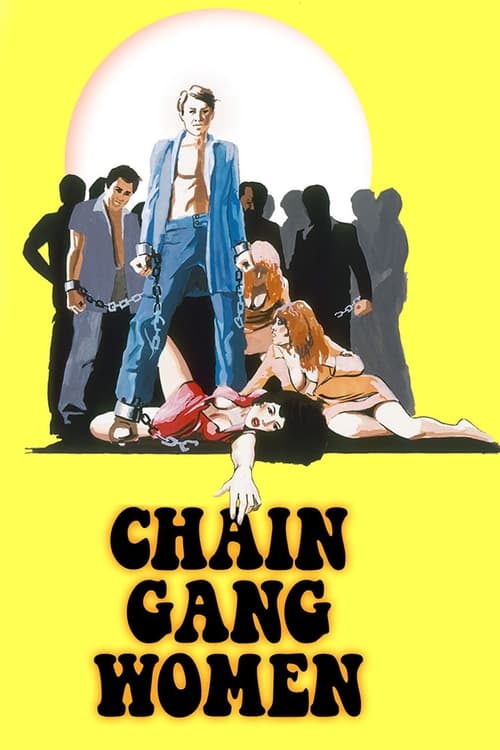
Chain Gang Women
1971
No user ratings available yet
Representation score: 4.1 out of 10

Representation Score
Good
1972
RDirector
Michel Levesque
Runtime
86 minutes
Average Rating
No ratings yetNew Showbiz Analysis
Sweet Sugar is a gritty exploitation film that finds its strength in deconstructing institutional authority. By framing the legal system and the plantation as corrupt, it offers a critique of systemic cruelty. The film centers on female survival against patriarchal violence, providing a degree of ability to act to its protagonists. However, the work is heavily constrained by the sensationalist clichés of its era. The reliance on sexual violence and the use of cultural elements like voodoo as mere plot devices limit its depth. It functions more as a visceral genre piece than a sophisticated social commentary. Ultimately, the film sits in a transitional space. It challenges some traditional hierarchies through its focus on female resilience, yet it fails to provide nuanced representation of underrepresented identities.
Category Breakdown
The film does not include explicit LGBTQ+ identities or non-straight relationships. Romantic tensions follow traditional heterosexual dynamics, such as the relationships between Sugar and Carlos or Simone and Mojo.
The narrative centers on women's ability to drive the story and collective resilience in an oppressive environment. While the women resist a male-dominated hierarchy, the heavy use of sexual violence reflects problematic exploitation clichés.
A diverse cast includes characters like Carlos and Mojo. While Mojo introduces spiritual elements through voodoo, these depictions occasionally lean toward 1970s cultural clichés rather than nuanced characterization.
The film critiques corrupt Western institutions, portraying the legal system and private plantations as predatory. It frames state and capitalist structures as inherently exploitative and violent forces.
There is no meaningful representation of neurodivergence or physical disability. Medical experimentation serves primarily as a horror plot device rather than a nuanced exploration of disability.
Present on Screen
Limited or Absent
Official Synopsis
A young woman nabbed in a drug bust chooses to work on a sugarcane plantation with other convicts instead of going to jail.
1971
1972
1982
1974

1971
1988
1986
1984
No reviews yet. Be the first to share your thoughts on this movie!
Use the rating form above to leave a star rating and optional review.