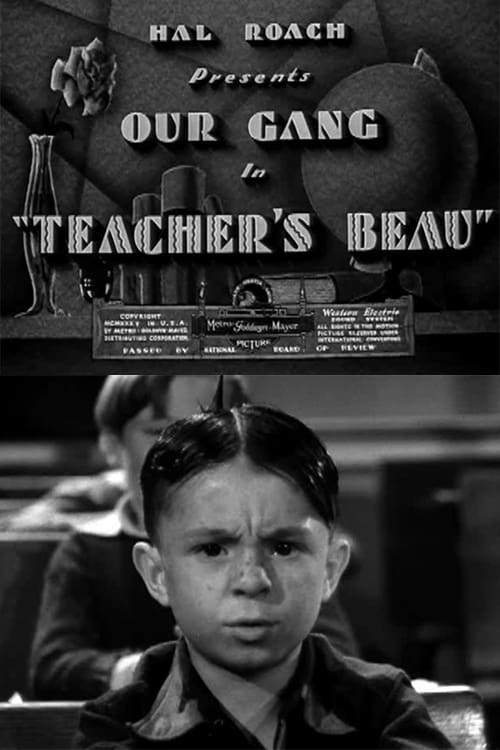
Teacher's Beau
1935
No user ratings available yet
Representation score: 0.7 out of 10
Representation Score
Minimal
1935
ApprovedDirector
Gus Meins
Runtime
20 minutes
Average Rating
No ratings yetNew Showbiz Analysis
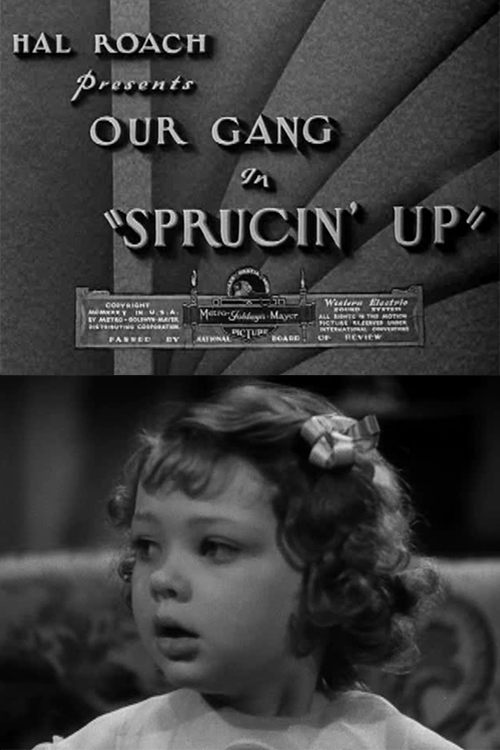
Sprucin' Up is a conventional 1930s domestic comedy that adheres to the era's traditional social hierarchies. The plot revolves around a truant officer's arrival and the social interest in his daughter, emphasizing community cohesion over systemic critique. The film lacks complexity in reflecting multiple aspects of identity, focusing instead on established social roles and standard comedic structures. It functions as a period piece that reflects the limited demographic and social scope of early Hollywood.
Category Breakdown
The film does not depict any non-straight relationships or identities, following the conventions of 1930s productions that avoided such themes.
The plot centers on a daughter being the object of neighborhood affection, suggesting traditional gender dynamics where a woman's role is tied to social desirability.
The film likely focuses on a homogeneous, Anglo-centric demographic. There is no evidence of diverse character's ability to drive the story or casting actors with different backgrounds.
The story reinforces conventional civic values and traditional social structures. It operates within the established social order of the mid-1930s.
No characters with visible or invisible disabilities are identified in the story. The narrative does not address disability representation.
Present on Screen
Limited or Absent
Official Synopsis
A new truant officer moves into the neighborhood, and everybody wants to get friendly with his daughter.
1935
1927
1934
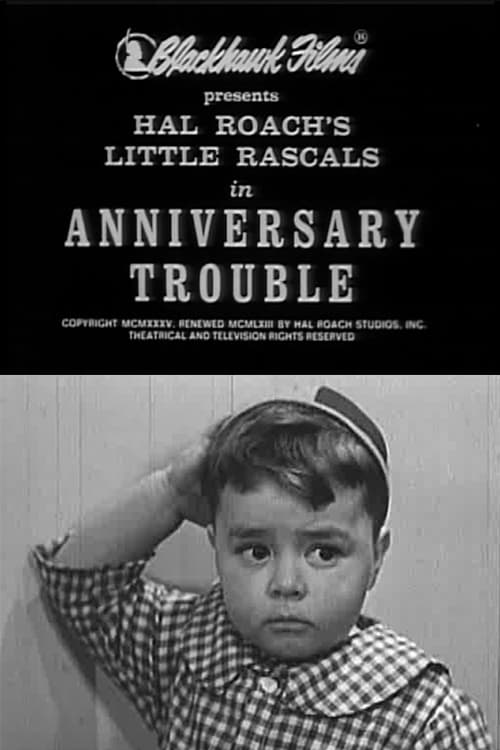
1935
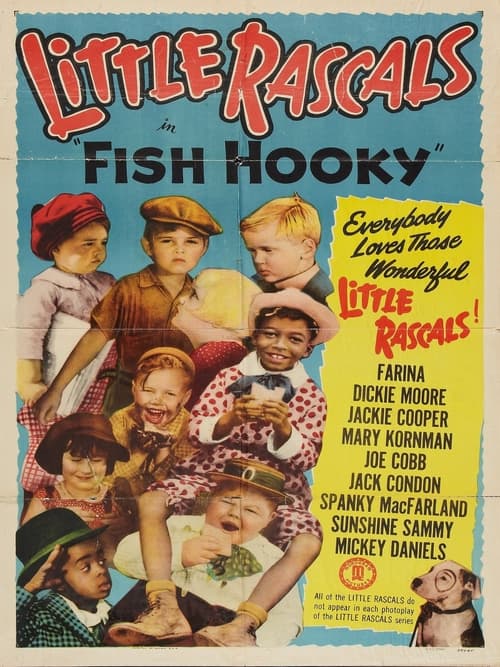
1933
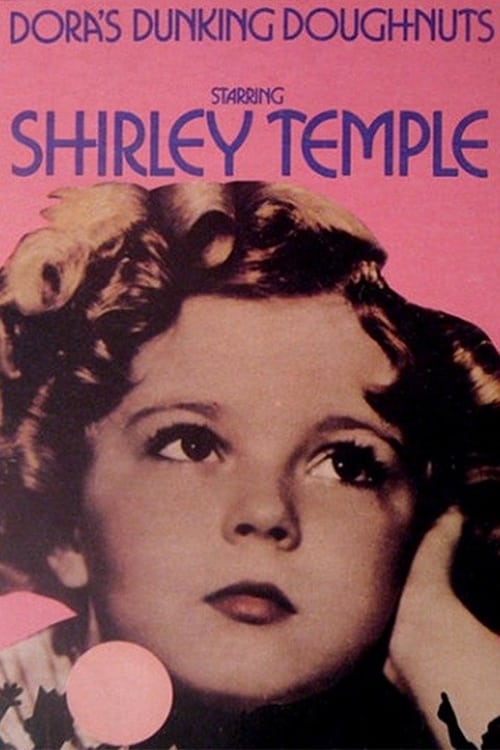
1933
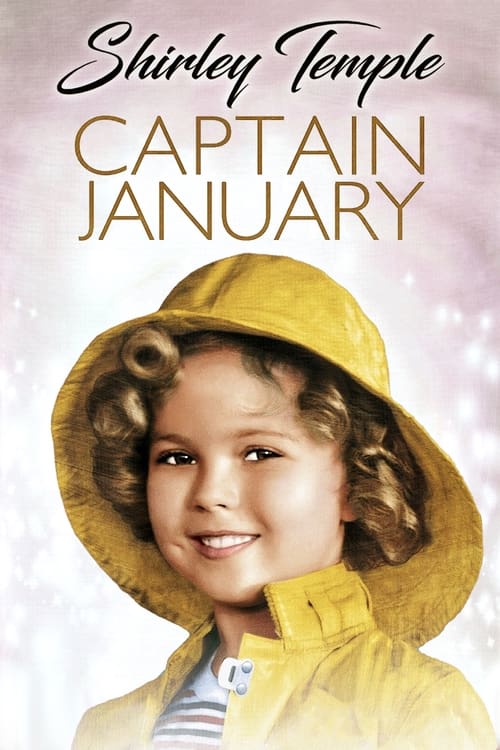
1936
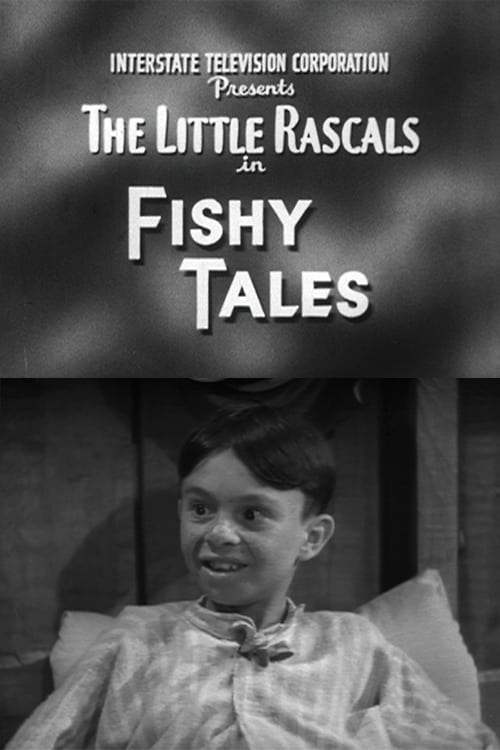
1937
No reviews yet. Be the first to share your thoughts on this movie!
Use the rating form above to leave a star rating and optional review.