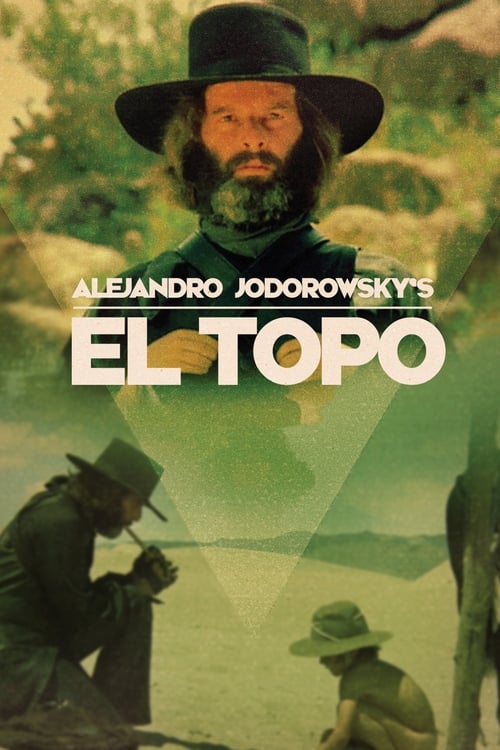
El Topo
1970
No user ratings available yet
Representation score: 7.2 out of 10

Representation Score
Fair
1973
Not RatedDirector
Fernando Arrabal
Runtime
100 minutes
Average Rating
No ratings yetNew Showbiz Analysis
Fernando Arrabal’s surrealist approach uses a desert journey to challenge the dominance of modern, organized society. The film functions as a critique of Western institutionalism by highlighting a primitive connection to nature. While the film lacks specific demographic markers for gender or LGBTQ+ identities, it achieves strength through its cultural subversion. The protagonist's status as a fugitive frames the rejection of legal institutions as a central theme. Ultimately, the work succeeds by prioritizing subjective human connections and anti-capitalist values over the rigid structures of the modern world.
Category Breakdown
The film does not explicitly show same-sex relationships or characters with non-binary gender identities. The story focuses on a fugitive and a hermit without delving into fluid identities.
The story centers on the relationship between two male figures, Aden and a hermit. There is no prominent women's ability to drive the story or diverse gender expressions in the main plot.
The desert setting and the presence of an 'uncivilized' man suggest a break from Western-centric clichés. It explores an indigenous-like bond with nature.
The film critiques Western urbanity and capitalist expansion. It emphasizes spiritual and elemental connections to the earth over state authority and institutional order.
There is no mention of characters with visible or invisible disabilities within the narrative.
Present on Screen
Limited or Absent
Official Synopsis
Running away from the police, Aden goes to the desert where he meets an uncivilized man who has a special link with Mother-Earth. He ends up by convincing the hermit to come along with him into another desert... the big town!
1970

1959

1975

1964
1970

1975
2012

2004
No reviews yet. Be the first to share your thoughts on this movie!
Use the rating form above to leave a star rating and optional review.